

How to prevent frozen pipes in Philadelphia this winter
Winter in Philadelphia brings its share of seasonal challenges. Snowstorms, icy sidewalks, and freezing temperatures are expected parts of life in the region. However, one of the most expensive winter problems often develops quietly behind walls, under floors, and inside utility spaces: frozen pipes.
Many homeowners don't think about their plumbing system until something goes wrong. Unfortunately, when pipes freeze, the consequences can be severe. A frozen pipe can restrict water flow, create excessive internal pressure, and eventually burst, causing extensive water damage throughout the home. Repairs may involve drywall replacement, flooring restoration, mold remediation, insulation replacement, and plumbing repairs that cost thousands of dollars.
The good news is that most frozen pipe incidents are preventable. Understanding how to prevent frozen pipes before winter temperatures arrive can dramatically reduce the likelihood of plumbing emergencies and expensive repairs.
Philadelphia's climate creates unique challenges because temperatures can fluctuate significantly throughout the season. A mild period may suddenly give way to a deep freeze, catching homeowners off guard. Proper preparation requires more than simply reacting to weather forecasts. It involves identifying vulnerable areas, improving insulation, maintaining consistent indoor temperatures, and following proven frozen pipe prevention tips throughout the winter months.
In this article, you will learn where frozen pipes are most likely to develop in Philadelphia homes, which insulation and weatherization steps deliver the greatest protection, which daily heating habits reduce risk during cold snaps, and how to recognize early warning signs before a freeze becomes a full plumbing emergency.
Below, we'll walk through each important aspect.
- Why the first hard freeze catches most Philadelphia homes off guard
- Which pipes in your home are most likely to freeze first
- Simple insulation steps that prevent most winter pipe emergencies
- When prevention is not enough and you need a plumber immediately
Keep reading to understand the specific vulnerabilities of Philadelphia's housing stock and the targeted steps that make winter plumbing protection both practical and cost-effective.
Why the first deep freeze exposes plumbing that was never fully prepared
The first significant cold snap of winter often reveals weaknesses that went unnoticed during warmer months. Plumbing systems that seemed perfectly fine in autumn can suddenly become vulnerable when temperatures plunge below freezing.
Why frozen pipes often happen after a sudden temperature drop, not the coldest night of the year
Many frozen pipe incidents occur not during the coldest part of winter but during the first major freeze.
There are several reasons for this pattern. Homeowners may still have:
- Outdoor hoses connected
- Uninsulated exposed pipes
- Unsealed air leaks
- Inadequate crawl space protection
- Unfinished winter maintenance tasks
When temperatures drop rapidly, pipes lose heat faster than expected.
Water begins freezing when pipe temperatures fall below 32°F (0°C). As ice forms inside the pipe, it expands. This expansion creates pressure between the blockage and the nearest closed fixture.
Contrary to popular belief, pipes do not typically burst because ice physically tears them apart. Instead, pressure buildup within the plumbing system becomes so great that the pipe eventually fails.
The first severe cold spell often arrives before homeowners have completed proper winter plumbing protection Philadelphia measures, making early-season freezes especially dangerous.
Which rooms and pipe locations face the highest risk in Philadelphia homes
Not all plumbing pipes face the same level of risk. Certain locations consistently experience greater exposure to cold temperatures.
Common high-risk areas include:
- Crawl spaces (very high risk)
- Unfinished basements (high risk)
- Attics (very high risk)
- Garages (high risk)
- Exterior walls (high risk)
- Utility closets on outside walls (moderate to high risk)
Philadelphia contains many older homes where plumbing systems were installed before modern insulation standards existed. In these properties, pipes may run through areas with minimal protection from outdoor temperatures.
Homeowners often assume that if a room feels warm enough for occupants, nearby plumbing is safe. However, hidden wall cavities and enclosed utility spaces can be significantly colder than living areas.
How cold drafts turn small gaps into freezing risks overnight
One of the most overlooked causes of frozen pipes is air infiltration.
Small openings around utility penetrations, electrical wiring, foundation gaps, dryer vents, windows, and exterior doors can allow cold air to enter areas containing plumbing lines. Even well-insulated pipes become vulnerable when exposed to continuous drafts.
For example, a pipe located inside an exterior wall may receive adequate insulation yet still freeze if cold air repeatedly enters through nearby gaps.
The combination of insulation and air sealing is often more effective than insulation alone. Identifying and eliminating drafts is one of the simplest yet most valuable frozen pipe prevention tips available to Philadelphia homeowners.
According to the U.S. Department of Energy, lowering thermostat settings significantly while away or asleep allows wall cavities and unheated utility spaces to drop toward outdoor temperatures much faster than most homeowners expect, compounding the risk created by existing air leaks.
Which pipes inside your home are most likely to freeze first
Frozen pipes rarely occur randomly. Certain sections of the plumbing system consistently freeze before others because of their location and exposure. Understanding these vulnerable areas helps homeowners prioritize preventative efforts before cold weather arrives.
Why basements and crawl spaces lose heat faster than living areas
Basements may seem protected because they are below ground, but many Philadelphia basements experience significant heat loss.
Factors contributing to colder basement temperatures include:
- Uninsulated foundation walls
- Drafty windows
- Air leaks around utility penetrations
- Concrete surfaces that absorb cold
- Limited heating coverage
Pipes running near foundation walls often experience colder temperatures than homeowners realize. Crawl spaces present even greater challenges. Unlike finished living areas, crawl spaces frequently have limited insulation, minimal heating, high exposure to outdoor air, and significant temperature fluctuations.
Water supply lines located in these areas often represent some of the highest-risk plumbing components during winter. Regular inspection and proper pipe insulation cold weather protection can substantially reduce freezing risks in these environments. Homeowners managing Philadelphia plumbing systems in older rowhouses should treat any uninsulated basement or crawl space line as a high-priority target before the first freeze.
Which attic and garage plumbing lines are most often forgotten during winterization
Many homeowners focus on bathrooms, kitchens, and basements while overlooking plumbing located elsewhere.
Attics may contain water supply lines, HVAC condensate lines, plumbing vents, and pipes serving upper-level bathrooms. Because attics are generally outside the home's insulated envelope, temperatures can quickly approach outdoor conditions.
Garages create similar concerns. Even attached garages often remain significantly colder than interior living spaces. Pipes located in garage walls or ceilings may freeze when garage doors remain open frequently, insulation is inadequate, heating is absent, or extreme cold persists.
These locations often escape attention because homeowners rarely see the plumbing directly. Routine winter inspections should include all hidden plumbing routes throughout the property.
Why exterior wall pipes are among the first to fail when temperatures drop
One of the most common frozen pipe locations is inside exterior walls. Plumbing routed through exterior walls is inherently more vulnerable because it sits closer to outdoor temperatures.
This is especially true in kitchens, bathrooms, laundry rooms, and utility rooms. Cold weather affects these pipes from multiple directions: outdoor air exposure, draft penetration, reduced interior heat transfer, and insufficient insulation.
Older homes may have plumbing installed directly adjacent to exterior sheathing with minimal protection. According to the City of Portland Bureau of Water Works, homeowners should identify exactly where supply lines pass through exterior walls and prioritize those sections for insulation and air sealing before freezing conditions arrive.
Homeowners should pay particular attention to plumbing fixtures located on exterior walls when implementing winter plumbing protection Philadelphia strategies.
Simple insulation steps that prevent most winter pipe emergencies
Many frozen pipe incidents can be prevented through relatively inexpensive insulation and weatherization improvements. These measures often provide both plumbing protection and energy-efficiency benefits that extend well beyond a single winter season.
Where foam pipe insulation makes the biggest difference in an exposed plumbing system
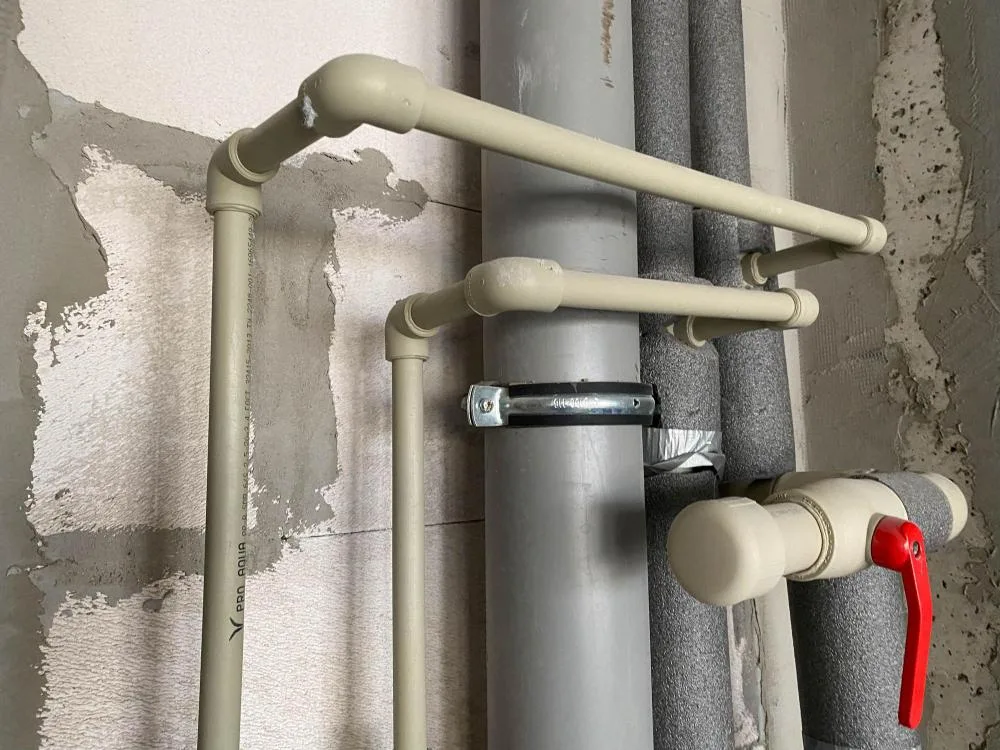
Foam pipe insulation is one of the most common methods used to protect exposed plumbing. It works by slowing heat loss and helping pipes maintain temperatures above freezing.
Priority areas include:
- Exposed basement pipes
- Crawl space plumbing
- Garage supply lines
- Utility room pipes
- Exterior wall plumbing where accessible
The most important factor is not necessarily pipe material but pipe location. Whether pipes are copper, PEX, CPVC, PVC, or galvanized steel, they remain vulnerable when exposed to freezing conditions. Proper insulation can significantly reduce risk regardless of material type.
The U.S. Department of Energy notes that uninsulated water pipes located in or near exterior walls can burst in freezing weather and that insulating those lines is well worth the effort, particularly when pipes are already exposed to very cold air.
Homeowners seeking effective pipe insulation cold weather solutions should focus first on the most exposed sections of the plumbing system before moving to areas with lower risk profiles.
How sealing air leaks reduces freezing risk more than most homeowners expect
While insulation receives most of the attention, air sealing often delivers equally important protection.
Common air leak locations include:
- Foundation gaps that allow cold basement air to enter
- Utility penetrations where drafts reach plumbing directly
- Window frames that create temperature fluctuations near supply lines
- Exterior wall openings that allow direct cold infiltration
- Vent penetrations that create localized freezing risk
Air leaks continuously introduce cold outdoor temperatures into areas where plumbing resides. Even minor drafts can create cold spots capable of freezing pipes. Sealing gaps using appropriate materials helps stabilize temperatures and reduce strain on heating systems.
The combination of insulation and air sealing creates a far more effective defense than either measure alone. Homeowners who have insulated pipes but still experience freezing should investigate air infiltration as the likely remaining cause.
Temporary fixes vs. permanent solutions: what actually holds up through a Philadelphia winter
Homeowners facing an approaching cold snap sometimes rely on temporary protective measures.
Examples include:
- Towels wrapped around pipes
- Portable heaters directed at vulnerable areas
- Temporary heat tape applied without proper installation
- Moving insulation blankets repositioned by hand
These solutions may help during short periods of extreme weather. However, long-term protection generally requires permanent improvements such as foam insulation sleeves, fiberglass insulation, crawl space encapsulation, air sealing projects, and structural weatherization upgrades.
Temporary measures should supplement permanent winterization work, not replace it. Investing in permanent protection often reduces both freezing risks and energy costs across multiple seasons. Homeowners who rely on temporary fixes year after year typically spend more over time than those who address root causes once.
Everyday heating and water habits that keep pipes from freezing
Many homeowners are surprised to learn that daily household habits can significantly influence whether pipes freeze during winter. Simple behavioral adjustments often provide valuable protection during extreme cold, particularly during multi-day freeze events when ambient temperatures have time to penetrate wall assemblies.
Why keeping a steady indoor temperature protects plumbing you cannot see
Heating consistency plays a major role in plumbing safety. Some homeowners lower thermostat settings dramatically overnight or while away to reduce energy costs.
While understandable, this strategy can create unintended consequences. When indoor temperatures fall significantly, wall cavities cool, floor systems lose heat, pipe temperatures decrease, and freezing risks increase in areas that normally rely on ambient warmth from occupied spaces.
Hidden plumbing relies heavily on ambient heat from surrounding living spaces. Maintaining a relatively stable temperature helps protect pipes located inside walls, under floors, behind cabinets, and in utility chases. Even when leaving for vacation, homeowners should maintain adequate heating throughout the property.
The cost of keeping a home warm enough to protect plumbing is typically far lower than repairing burst pipes. A thermostat set no lower than 55°F while unoccupied is a widely established minimum for residential freeze protection.
When and why letting faucets drip is one of the most effective emergency strategies
The recommendation to let faucets drip during severe cold weather has existed for decades for a simple reason: it works.
Moving water is less likely to freeze than stagnant water. Allowing a small trickle from vulnerable fixtures relieves pressure buildup, maintains water movement through exposed sections, and reduces the risk of ice formation at the most vulnerable points in the system.
This practice is most beneficial when temperatures remain below freezing for extended periods, pipes are located in exterior walls, extreme cold warnings are issued, or previous freezing issues have occurred at specific fixtures. Knowing the location of your water heater and the supply lines that serve it is also useful, since the feed lines to a water heater in an unheated utility area can be among the first to freeze.
However, dripping faucets should not be viewed as a complete solution. Among all frozen pipe prevention tips, controlled dripping remains one of the simplest emergency strategies, most effective when combined with proper insulation and weatherization.
Why disconnecting outdoor hoses is one of the most important steps before the first freeze
Outdoor plumbing is particularly vulnerable during winter. One of the most common mistakes homeowners make is leaving garden hoses connected after temperatures begin falling.
When hoses remain attached to exterior bibs, water becomes trapped inside the faucet assembly, proper drainage is prevented, freezing occurs inside the fixture itself, and pressure extends backward into interior plumbing. This can cause hidden pipe damage within walls well before any visible exterior sign appears.
Effective outdoor faucet winterization includes:
- Disconnecting and storing all garden hoses
- Draining exterior faucets completely
- Shutting off the dedicated outdoor water supply valve
- Opening the outdoor fixture after shutoff to release residual pressure
- Installing insulated faucet covers where frost-free bibs are not present
These steps significantly reduce the risk of freeze-related damage affecting exterior plumbing systems and the interior lines they connect to.
When prevention is not enough and you need a plumber immediately
Even well-prepared homes can occasionally experience plumbing issues during extreme weather. Recognizing warning signs early may be the difference between a minor service call and a major water damage restoration project.
What warning signs tell you a pipe is already starting to freeze
Frozen pipes often provide clues before they burst. Catching these signals early gives homeowners a narrow window to act before a failure occurs.
Common warning signs include:
- Reduced or completely absent water flow at one or more fixtures
- Frost visible on exposed pipes in basements or utility areas
- Unusual odors from drains, which may indicate ice affecting trap function
- Gurgling or cracking sounds inside walls during cold weather
- Visible ice formation on exterior pipe sections
- Localized cold spots near plumbing that feel colder than surrounding surfaces
Immediate action can sometimes prevent pipe failure entirely. Homeowners should never use open flames or uncontrolled heating devices to thaw pipes, as doing so may create fire hazards or damage plumbing materials. Emergency plumbing repair is often the safest option when active freezing is suspected inside a wall or enclosed utility space.
What a sudden drop in water pressure during cold weather usually means
A sudden drop in water pressure during winter should always be investigated promptly. Low pressure during a freeze event is rarely coincidental.
Potential causes include partial ice blockages, frozen supply lines in unconditioned spaces, service line freezing at the foundation entry point, and developing pipe damage that has not yet fully ruptured.
Recommended actions include:
- Check whether the pressure drop affects a single fixture or the entire home
- Inspect all accessible exposed pipes for frost accumulation
- Look for any visible moisture or staining near pipe runs
- Monitor for new leaks at joints and connections
- Contact an emergency plumber if pressure remains low or worsens over time
Addressing problems early may prevent extensive damage and the much larger costs associated with water intrusion into finished building materials.
Why pipes that freeze repeatedly signal a deeper insulation or structural problem
If pipes freeze repeatedly despite preventative efforts, an underlying issue likely exists that surface-level winterization has not addressed.
Possible causes include:
- Chronic heat loss from poorly insulated or uninsulated wall assemblies
- Continuous cold exposure from persistent air infiltration through foundation gaps or utility penetrations
- Improper pipe placement close to exterior sheathing with no thermal break
- Structural deficiencies that create persistent freezing zones in specific areas
- Heating imbalance that leaves utility spaces and remote rooms significantly colder than living areas
Repeated freezing incidents should not be viewed as normal winter inconveniences. They signal the need for a more comprehensive evaluation of the home's thermal envelope and plumbing layout. Homeowners who have recurring freeze events can review common plumbing questions about insulation and pipe protection as a starting point, but a professional inspection is typically required to identify the root cause.
Addressing the source rather than managing symptoms helps homeowners avoid burst pipes winter after winter instead of repeatedly repairing the same sections under emergency conditions.
Conclusion
Philadelphia winters can create challenging conditions for residential plumbing systems, particularly when temperatures drop suddenly or remain below freezing for extended periods. While frozen pipes are a common seasonal concern, they are often preventable with proper planning, maintenance, and attention to vulnerable areas throughout the home.
Understanding how to prevent frozen pipes begins with identifying high-risk locations such as crawl spaces, basements, attics, garages, and exterior wall plumbing. These areas are frequently exposed to colder temperatures and often require additional protection before the season's first freeze arrives. Implementing effective winter plumbing protection Philadelphia strategies well ahead of winter significantly reduces the likelihood of plumbing emergencies and costly water damage.
Simple measures such as installing insulation, sealing air leaks, maintaining consistent indoor temperatures, and following proven frozen pipe prevention tips can provide substantial protection. Combining proper pipe insulation cold weather practices with good household habits creates a comprehensive defense against freezing temperatures throughout the season.
Homeowners should also prioritize outdoor faucet winterization by disconnecting hoses, draining exterior fixtures, and shutting off outdoor water supplies before freezing conditions arrive. These preventative steps help protect some of the most vulnerable components of a home's plumbing system.
Most importantly, early warning signs should never be ignored. Reduced water pressure, frost accumulation, unusual sounds, or recurring freezing issues often indicate the need for professional assistance. Prompt action can help homeowners avoid burst pipes winter and prevent extensive damage that may affect walls, flooring, insulation, and personal property.
By taking a proactive approach before temperatures plunge, Philadelphia homeowners can protect their plumbing systems, reduce repair costs, and enjoy greater peace of mind throughout the coldest months of the year. If you are ready to protect your home before the next freeze, contact Guaranteed Plumbing and Heating to schedule a professional assessment today.