


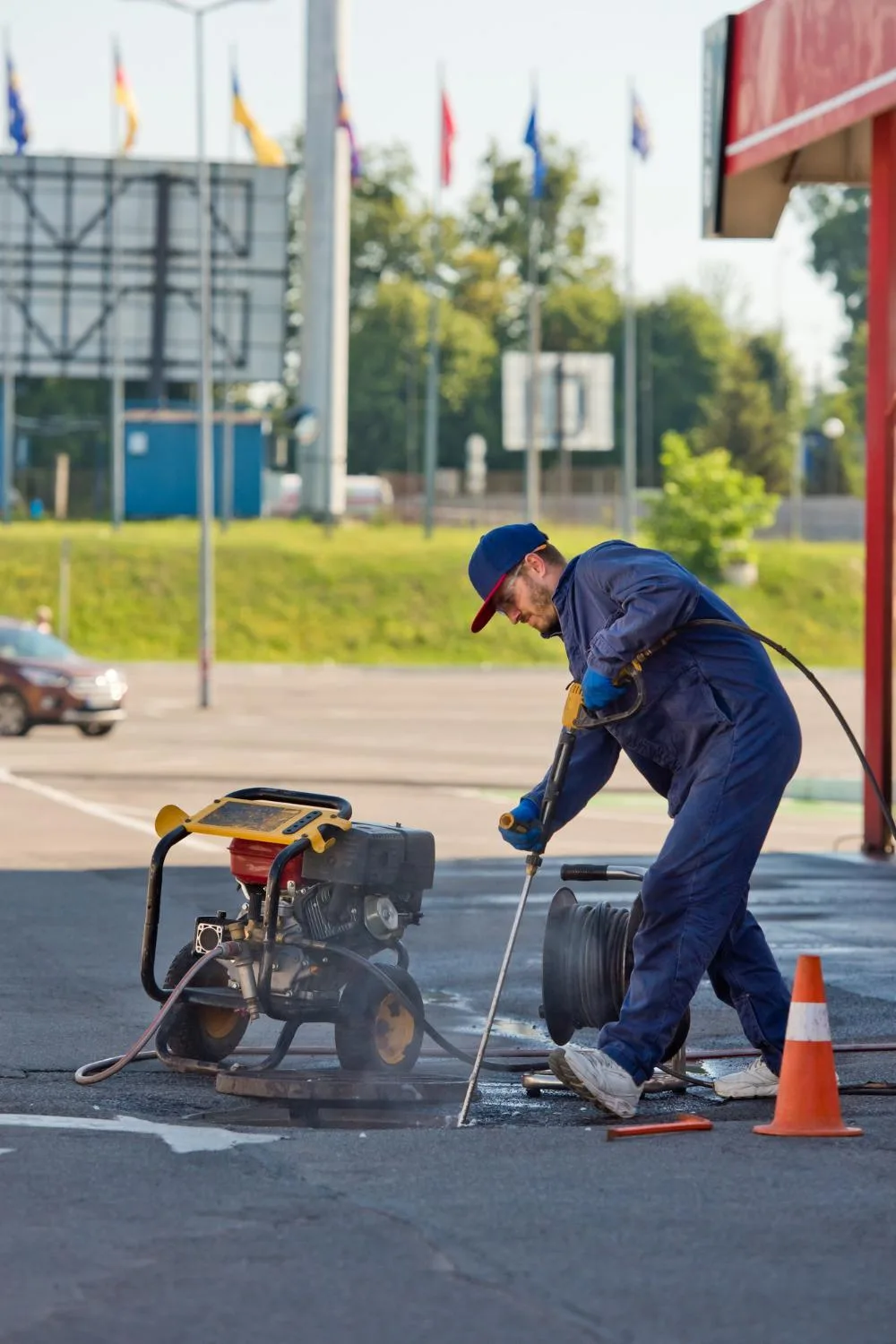
Common plumbing code violations homeowners make in Montgomery County
Most Montgomery County homeowners do not think about plumbing codes until a home inspection turns up a violation, a renovation permit gets flagged, or a DIY project creates a problem that a licensed plumber has to undo. Common plumbing code violations in Montgomery County are rarely the result of someone cutting corners on purpose. They happen because homeowners do not know the rules exist.
Pennsylvania enforces plumbing standards through the Uniform Construction Code, which adopts the International Plumbing Code as the base standard statewide. Montgomery County municipalities administer and enforce these codes locally, which means that plumbing work in Abington, Glenside, Cheltenham, or Narberth all falls under the same core requirements, even if the permit process varies slightly from one township to the next.
The violations on this list are the ones that come up most often during home inspections, renovation permits, and service calls. Some are cosmetic inconveniences. Others are genuine health and safety hazards. All of them are fixable, and knowing what to look for before an inspector does puts you in a much better position.
In this article, you will learn about:
- S-traps and why they are no longer allowed under your sinks
- Drain slope mistakes that cause slow drains and standing water
- The water heater violations that show up on almost every old installation
- What happens when plumbing work is done without a permit
- Cross-connections that put your drinking water at risk
- Venting errors that make drains gurgle and smell
- How to get your plumbing up to code before it becomes a problem
Keep reading to learn what inspectors look for and what you can do now to avoid a surprise on your next home sale, renovation, or insurance claim.
S-traps and why they are no longer allowed under your sinks
If you open the cabinet under a kitchen or bathroom sink in an older Montgomery County home, there is a good chance you will find an S-trap. It is one of the most common plumbing code violations in the region, and most homeowners have no idea it is a problem.
What an S-trap is and why it fails
An S-trap is a drain fitting shaped like the letter S. It connects the sink drain to a pipe that exits straight down through the floor. The curved section holds a small amount of water, which is supposed to act as a seal against sewer gases. The problem is that the design allows the water seal to siphon out when the sink drains. As water flows through the S-shape and down the vertical pipe, it creates a vacuum that pulls the standing water out of the trap, breaking the seal and leaving an open path for sewer gas to enter the room.
Modern plumbing codes require P-traps instead. A P-trap exits horizontally through the wall rather than vertically through the floor, and it connects to a properly vented drain line that prevents the siphon effect. The water seal stays intact, and sewer gases stay in the sewer.
Why it matters beyond the code book
Sewer gas is not just unpleasant. It contains hydrogen sulfide, methane, and ammonia, among other compounds. Prolonged exposure in an enclosed space like a bathroom or a kitchen cabinet can cause headaches, nausea, and respiratory irritation. The EPA emphasizes the importance of maintaining functional plumbing traps as part of the overall strategy for keeping harmful gases and moisture out of occupied spaces.
If your home has S-traps, replacing them with code-compliant P-traps is straightforward for a licensed plumber. It typically requires rerouting the drain connection from the floor to the wall, and it may require adding or extending a vent line, which is the next violation on this list.
Drain slope mistakes that cause slow drains and standing water
Drain pipes rely on gravity. If the slope is wrong, the water does not flow the way it should, and the problems range from annoying to serious.
The right slope and what goes wrong
The International Plumbing Code specifies that most residential drain pipes should be installed with a slope of one-quarter inch per foot of horizontal run. That pitch is enough to keep water and waste moving toward the main sewer line without leaving solids behind. Too little slope causes water to pool, waste to settle, and clogs to form. Too much slope, which is the less obvious mistake, lets the water run ahead of the solids, leaving debris stuck in the pipe.
How homeowners create slope violations
This violation shows up most often after DIY bathroom additions, basement finishing projects, and laundry room relocations where the homeowner or an unlicensed contractor routes new drain lines without measuring the pitch. It also appears in older homes where the foundation has settled unevenly over the decades, shifting the original slope of buried or embedded drain lines.
If you notice multiple fixtures draining slowly, water pooling in a basement floor drain, or recurring clogs in the same line, the slope may be off. A camera line inspection can confirm whether the pipe has a belly, a sag, or an incorrect pitch, and identify exactly where the problem is.
Why it matters at inspection
During a home sale inspection or a renovation permit review, incorrect drain slope is a common flag. It is not something an inspector overlooks, because improper slope leads to chronic drainage issues and, over time, can contribute to sewer line backups that damage the home. Correcting it often means opening a wall or floor to re-pitch the affected section of pipe, which is less disruptive when done proactively than when it holds up a closing or a permit.
The water heater violations that show up on almost every old installation
Water heaters are one of the most heavily regulated residential plumbing fixtures, and older installations routinely fail to meet current code. If your water heater was installed more than 10 or 15 years ago, there is a strong chance it has at least one violation.
The temperature and pressure relief valve
Every water heater is required to have a temperature and pressure (T&P) relief valve, and that valve must be connected to a discharge pipe that terminates within six inches of the floor or routes to the exterior. The T&P valve is a critical safety device. If the water temperature or tank pressure exceeds safe limits, the valve opens and releases water to prevent the tank from rupturing.
The violations here take several forms:
- The T&P valve discharge pipe is missing entirely, meaning the valve would release scalding water directly onto anyone standing nearby.
- The discharge pipe terminates too high, is routed upward, or is reduced in diameter, all of which restrict the valve's ability to relieve pressure.
- The valve itself has been plugged or capped by a homeowner who was tired of it dripping. This is extremely dangerous and turns the water heater into a potential pressure vessel.
Improper venting on gas water heaters
Gas-fired water heaters produce combustion gases that must be vented to the exterior. The vent pipe must be the correct diameter, properly secured, and maintain the correct upward slope to draft effectively. Improper venting, including disconnected vent pipes, undersized flues, and vent pipes that sag or have improper connections, allows carbon monoxide to spill into the living space.
The U.S. Consumer Product Safety Commission urges consumers to have all fuel-burning appliances, including water heaters, professionally inspected annually because heating equipment and related appliances are among the top contributors to carbon monoxide deaths in the home.
Expansion tanks and seismic strapping
In areas served by public water systems with backflow prevention, thermal expansion can build pressure in a closed plumbing system every time the water heater fires. Current code requires an expansion tank on the cold water supply line to absorb that pressure. Many older Montgomery County installations do not have one, and the result is chronic T&P valve dripping, premature tank failure, and stress on supply line connections throughout the house.
What happens when plumbing work is done without a permit
Unpermitted plumbing work is one of the most consequential violations a homeowner can have, not because the work itself is always bad, but because of what it means legally and financially.
When a permit is required in Pennsylvania
Under the Pennsylvania Uniform Construction Code, a permit is required before installing, enlarging, altering, or replacing any plumbing system regulated by the code. This includes adding a bathroom, relocating a kitchen sink, replacing a water heater, re-routing drain lines, and installing new supply lines. Routine maintenance, like replacing a faucet washer or clearing a clog, does not require a permit.
The line between maintenance and regulated work is where most homeowners get caught. Swapping a toilet is generally maintenance. Moving the toilet to a different location in the bathroom is regulated work that changes the drain, vent, and supply layout and requires a permit and inspection.
Why it matters more than you think
Unpermitted work creates three specific problems:
- During a home sale, the buyer's inspector or the title company may flag unpermitted additions, finished basements, and bathroom renovations. The seller can be required to bring the work up to code, obtain retroactive permits, or reduce the sale price to account for the risk.
- Insurance claims related to water damage can be denied if the insurer determines the damage resulted from unpermitted or non-code-compliant plumbing work.
- If the unpermitted work was done incorrectly and causes damage to a neighbor's property, or if it contributes to a sewer backup or a water contamination event, the homeowner's liability exposure increases significantly.
How to address existing unpermitted work
If you suspect your home has unpermitted plumbing work, a licensed plumber can assess the installation and determine whether it meets current code. In many cases, the work is functional and close to compliant, and the path forward involves pulling a retroactive permit and having the work inspected. In other cases, corrections are needed before the permit can be issued. Either way, addressing it proactively is far less expensive and stressful than addressing it during a sale or after a failure.
Cross-connections that put your drinking water at risk
A cross-connection is any point where your potable water supply could come into contact with a non-potable source. It is one of the most serious plumbing code violations because it can contaminate your drinking water.
How cross-connections happen in residential plumbing
The most common residential cross-connection is a garden hose submerged in a pool, a bucket of chemicals, or connected to a fertilizer sprayer without a backflow prevention device. If the municipal water pressure drops suddenly, a vacuum can form in the supply line and siphon contaminated water backward into the home's plumbing and potentially into the public water system.
Other common residential cross-connections include:
- A handheld shower head sitting in a filled bathtub without a vacuum breaker on the supply.
- A boiler fill valve connected to the potable supply without proper backflow protection, allowing boiler water (which may contain rust, sediment, and chemical treatment) to enter the drinking water.
- A dishwasher drain connected directly to the disposal or drain line without an air gap or a high loop, allowing wastewater to siphon back into the appliance.
What the code requires
The EPA identifies cross-connection control and backflow prevention as critical to maintaining safe drinking water. Plumbing codes require backflow prevention devices, vacuum breakers, or air gaps at every point where a cross-connection could occur. The specific device depends on the level of hazard, but the principle is the same: potable and non-potable water must never have an unprotected connection.
The simplest fix most homeowners skip
Installing a hose bib vacuum breaker on every outdoor faucet costs a few dollars per device and takes seconds to thread on. It is the single easiest cross-connection fix a homeowner can make, and it is one of the most frequently missing. If your outdoor faucets do not have vacuum breakers, and most older Montgomery County homes do not, adding them is an immediate code compliance improvement.
Venting errors that make drains gurgle and smell
Plumbing vents are the invisible half of your drainage system. Every drain in your home needs a vent to function properly, and when the venting is wrong, the symptoms show up in ways that homeowners often blame on the wrong cause.
What venting does and why it matters
A plumbing vent pipe extends from the drain system up through the roof, open to the atmosphere. It serves two purposes: it allows air into the drain system so water can flow freely by gravity, and it provides an escape route for sewer gases so they exit above the roofline instead of entering the living space.
Without adequate venting, draining a sink or flushing a toilet creates negative pressure in the drain pipe. That pressure can pull the water seal out of nearby traps, the same siphon problem that makes S-traps fail, and allow sewer gas into the home. It also slows drainage, causes gurgling sounds from fixtures, and can create air locks that prevent water from flowing at all.
Common venting violations in Montgomery County homes
Venting errors typically appear after renovations where a new fixture was added without extending or connecting to the existing vent system. A basement bathroom addition, a relocated kitchen sink, or an added laundry hookup that was plumbed for supply and drain but not for venting is a textbook violation.
Other common venting problems include:
- A vent pipe that terminates inside the attic instead of through the roof, which directs sewer gases and moisture into the attic space.
- A vent pipe that is too small in diameter for the fixtures it serves, restricting airflow and reducing its effectiveness.
- A vent that has been capped, obstructed, or disconnected during a roofing project, which is more common than you might expect.
If you hear gurgling from a drain when another fixture is used, or if you smell sewer gas intermittently in a bathroom or kitchen, the vent system is the first thing to check.
How to get your plumbing up to code before it becomes a problem
Plumbing code violations do not fix themselves, and they rarely get cheaper to address over time. The best approach is to find them before they find you.
Start with a professional assessment
A licensed plumber who works regularly in Montgomery County knows what local inspectors look for and where violations tend to hide. A whole-house plumbing assessment covers the visible supply and drain systems, checks the water heater installation, evaluates trap and vent configurations, and identifies any work that appears to have been done without permits. This is especially valuable before listing a home for sale, before starting a renovation, or after purchasing an older property.
A plumbing inspection can also identify developing problems, like corroded supply lines, deteriorating drain pipes, and failing shut-off valves, that are not code violations yet but will become expensive failures if left alone.
Prioritize safety violations first
Not all violations carry the same urgency. A plugged T&P valve on a water heater, a disconnected vent pipe dumping sewer gas into the attic, and a cross-connection without backflow prevention are immediate safety issues. An S-trap under a guest bathroom sink is a code violation that should be corrected but is not an emergency. Address the hazards first, then work through the rest on a reasonable timeline.
Pull permits when the work requires them
If the correction involves altering drain lines, moving fixtures, replacing a water heater, or adding new supply lines, it requires a permit in Montgomery County under the Pennsylvania UCC. Pulling the permit adds a small cost and a brief inspection step, but it means the corrected work is documented, inspected, and compliant. That documentation protects you during a sale, an insurance claim, or any future dispute about the condition of the home.
Do not wait for a sale or a failure
The homeowners who spend the least on plumbing code corrections are the ones who address violations on their own timeline, not under the pressure of a closing deadline or an emergency. A violation discovered during a home inspection with a buyer waiting is a negotiation disadvantage. A violation discovered during a basement flood is an expense multiplied by damage. Finding and fixing violations proactively is faster, cheaper, and entirely on your terms.
Conclusion
Plumbing codes are not arbitrary rules. They exist because the wrong trap, the wrong slope, the wrong vent, or the wrong connection can cause sewer gas exposure, drinking water contamination, carbon monoxide poisoning, water damage, and chronic drainage failures.
Montgomery County's older housing stock means these violations are common, and the fact that most of them were installed by a previous owner or a well-meaning DIYer does not change the homeowner's responsibility to address them.
The violations covered in this article, S-traps, incorrect drain slope, water heater installation errors, unpermitted work, cross-connections, and venting problems, are the ones that show up most often and cause the most trouble. None of them require tearing the house apart to fix. All of them are within the scope of a licensed plumber who knows the code and knows the area.
If you are planning a renovation, preparing to sell, or just want to know where your home stands, a professional plumbing assessment is the place to start.
Guaranteed Plumbing & Heating has been serving the Philadelphia area, including Montgomery County, since 1990. Their team holds a current Master Plumber license and works with the local permit and inspection process every day. Call 215-342-7200 and a real person will pick up. The estimate is free, and you will know exactly what needs attention before anyone else has to tell you.