


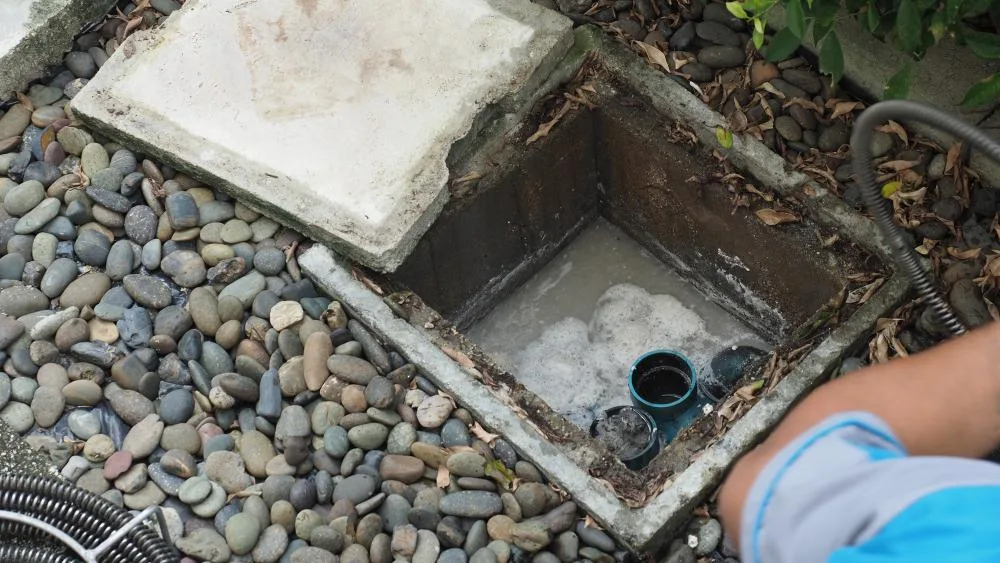
How to prevent clogged drains during summer in Philadelphia
Summer is the busiest season for clogged drains in Philadelphia, and it is not even close. The combination of more people in the house, more cooking, more showers, more outdoor activity tracking debris inside, and an aging sewer system already under pressure from storm runoff creates the perfect conditions for blockages to form in kitchens, bathrooms, and main sewer lines alike.
If you want to prevent clogged drains during summer in Philadelphia, you need to understand what is going into the pipes and what is growing into them from the outside.
Philadelphia's plumbing infrastructure adds a layer that most suburban homeowners do not deal with. Roughly 60 percent of the city sits on a combined sewer system where household wastewater and stormwater share the same pipes. During summer storms, that shared system fills to capacity, and any existing partial blockage in your lateral becomes a full backup waiting to happen.
According to the EPA, the average family spends more than $1,000 per year on water costs, and a significant portion of plumbing emergencies that drive those costs higher are preventable drain problems that started small.
This article covers the specific causes of summer drain clogs in Philadelphia homes, what you can do right now to prevent them, and the warning signs that mean a professional needs to get involved before a slow drain becomes a flooded basement.
In this article, you will learn about:
- Your kitchen is the number one clog factory in the house, especially in July
- The bathroom drain problem that gets worse every week you ignore it
- Tree roots do not take the summer off, and your sewer line is their target
- What "flushable" wipes actually do once they leave the toilet
- The five-minute drain habits that prevent most emergency calls
- When a slow drain is actually your sewer line telling you something serious
Keep reading to learn how to keep your drains flowing all summer and avoid the backup that always seems to happen on the worst possible day.
Your kitchen is the number one clog factory in the house, especially in July
Summer cooking puts more strain on kitchen drains than any other season, and the pattern is predictable enough that plumbers can see the spike in service calls before it arrives.
Grease is the problem nobody thinks they have
Barbecues, cookouts, and family gatherings ramp up from Memorial Day through Labor Day, and every one of them produces grease. Burger grease rinsed off a pan. Oil wiped from a grill plate. Bacon fat poured down the sink while it is still liquid. Salad dressing scraped off plates into the disposal.
Hot grease flows down the drain like water. But it does not stay liquid. As it travels through the pipe, it cools, solidifies, and coats the interior walls. That coating narrows the pipe's effective diameter and creates a sticky surface that traps everything else that flows through, food particles, soap residue, coffee grounds, and more debris from the next meal. Over weeks of summer cooking, the buildup can reduce a four-inch drain to an opening the size of a quarter.
The clog rarely happens during the meal that caused it. It happens three weeks later, when the accumulated grease finally catches enough debris to form a full blockage. The sink fills with standing water, the disposal gurgles, and suddenly you are dealing with a backup that feels like it came out of nowhere.
What actually works to prevent grease clogs
The prevention is straightforward, but it requires changing habits:
- Never pour grease, oil, or fat down the drain. Let it cool in the pan, scrape it into a container, and throw it in the trash. This applies to butter, bacon fat, hamburger grease, cooking oil, and salad dressing.
- Wipe greasy pans with a paper towel before washing them. Even a thin film of oil adds up over dozens of meals.
- Run cold water before and after using the garbage disposal, for at least 15 seconds each time. Cold water keeps any residual grease solid so the disposal can break it up rather than letting it coat the pipe in liquid form.
- Do not use the disposal as a trash can. It is designed for small food scraps, not potato peels, corn cobs, watermelon rinds, egg shells, or fibrous vegetables like celery and artichoke leaves. All of these create blockages that the disposal cannot fully process.
The disposal itself can become the problem
A garbage disposal that runs sluggishly, makes a humming sound without grinding, or produces a foul smell even after running is not doing its job. Food is sitting in the chamber instead of being processed and flushed. In summer, when the kitchen is producing more waste than usual, a struggling disposal accelerates the clog buildup downstream. If the disposal is not operating properly, have it serviced or replaced before the volume of summer cooking overwhelms it.
The bathroom drain problem that gets worse every week you ignore it
Kitchen clogs get the most attention, but bathroom drains are the most consistent source of slow drainage throughout the summer.
Hair, soap, and sunscreen form a blockage that does not dissolve
Summer means more showers. Kids come in from the pool, the yard, and the playground. Adults shower after exercise, yardwork, and commutes in the heat. Every shower sends hair down the drain, and hair does not break down in water. It tangles, catches on the inside of the drainpipe, and forms a net that traps everything else flowing through.
Soap scum and body wash residue coat the hair and create a dense, sticky mass that narrows the drain over time. Sunscreen, which most Philadelphia families use heavily from June through August, adds an oily residue that behaves like grease in the pipe. The combination of hair, soap, and sunscreen creates a clog that is uniquely stubborn and uniquely seasonal.
The warning signs build gradually:
- Water pools around your feet in the shower instead of draining as fast as it flows.
- The tub takes noticeably longer to empty after a bath.
- The bathroom sink drains slowly, especially after shaving or hair washing.
- A faint odor comes from the drain, especially on humid days.
The cheapest prevention tool costs less than a dollar
A drain strainer or hair catcher over every shower drain and tub drain stops the majority of hair and large debris before it enters the pipe. These are mesh or silicone screens that sit over or inside the drain opening and catch hair on every use. Clean them after each shower and the hair never reaches the pipe.
For bathroom sinks, a pop-up stopper collects hair and debris around the pivot rod assembly. Pulling the stopper out and cleaning it every two to three weeks prevents the slow buildup that turns into a full blockage by August.
What not to use when the drain slows down
Chemical drain cleaners are the default response for most homeowners, and they are one of the worst things you can pour into your plumbing:
- They contain caustic chemicals that generate heat and corrode older pipes, especially the cast iron drain stacks found in thousands of Philadelphia homes.
- They rarely dissolve the full blockage. They may open a narrow channel through the clog, which temporarily improves flow but leaves the bulk of the obstruction in place to catch more debris.
- They create a hazardous situation for any plumber who later needs to work on the drain, because the chemicals sit in the standing water behind the clog.
A plunger or a hand-cranked drain snake handles most bathroom clogs without chemicals. For recurring slow drains that do not respond to basic clearing, professional drain cleaning removes the full buildup instead of punching a temporary hole through it.
Tree roots do not take the summer off, and your sewer line is their target
While you are dealing with grease and hair inside the house, another clog source is working its way into your sewer line from the outside. Tree roots are most aggressive during the warm growing season, and they are a leading cause of main line blockages in older Philadelphia neighborhoods.
Why roots go after sewer pipes
Tree and shrub roots grow toward moisture and nutrients, and a sewer line provides both. Even a small crack, a loose joint, or a hairline gap in an aging pipe is enough for a root tendril to find its way in. Once inside, the root encounters a constant supply of water and organic material, which is exactly what it needs to grow aggressively. A single root that enters a pipe in spring can expand into a dense mass that fills the pipe by late summer.
Philadelphia's housing stock makes root intrusion especially common. Many homes in the city and the surrounding areas of Northeast Philadelphia, Abington, and Glenside have original clay or cast iron sewer laterals that are 50 to 100 years old. These materials are more susceptible to root penetration than modern PVC, and the joints between pipe sections are the primary entry points.
The warning signs of root intrusion
Root blockages affect the main sewer line, not individual fixture drains. That distinction produces a specific set of symptoms:
- Multiple fixtures drain slowly at the same time, especially the lowest fixtures in the house like basement floor drains and first-floor toilets.
- Toilets gurgle or bubble when a sink or washing machine drains, because displaced air is being forced through the water in the trap.
- Sewage odors appear in the yard, especially along the path of the sewer lateral.
- The yard has patches of unusually green or lush grass directly above the buried sewer line, fed by the nutrients leaking from a cracked pipe.
- Backups recur on a cycle, clearing temporarily after professional snaking but returning within a few months as the roots regrow.
What stops roots and what does not
Snaking the sewer line cuts through the root mass and restores flow, but the roots are still in the pipe and will regrow. Hydro jetting is more thorough, using high-pressure water to scour the pipe walls and remove the root mass along with grease and debris. For persistent root problems, a camera line inspection shows the exact location and severity of the intrusion and reveals whether the pipe itself needs repair or replacement.
Pouring copper sulfate or root-killing chemicals down the drain provides limited results and can harm the tree, the environment, and in some cases the pipe itself. The only long-term solution for recurring root intrusion is to either repair the pipe, preventing root entry by sealing the joints or relining the line, or to remove the offending tree or relocate it away from the sewer path.
What "flushable" wipes actually do once they leave the toilet
The packaging says flushable. The plumbing says otherwise. So-called flushable wipes are one of the fastest-growing contributors to drain and sewer blockages in residential plumbing, and summer usage tends to spike.
Why wipes do not break down like toilet paper
Toilet paper is designed to disintegrate in water within seconds. It falls apart as it moves through the drain, reducing its ability to catch on pipe walls or accumulate into a mass. Wipes, even those marketed as flushable, are engineered to be strong and durable when wet. That is the entire point of the product, and it is exactly the property that makes them a problem in pipes.
Wipes that enter the sewer lateral hold their shape, catch on joints, root intrusions, grease buildup, and rough pipe surfaces, and form a dense plug that does not break down over time. A single wipe flushed once is unlikely to cause a blockage. Dozens of wipes flushed over the course of a summer create a cumulative obstruction that can shut down the main drain.
The rule that prevents wipe-related clogs
The rule is simple: nothing goes in the toilet except human waste and toilet paper. No wipes, no paper towels, no facial tissues, no cotton balls, no cotton swabs, no feminine hygiene products, and no dental floss. All of these items should go in the trash.
This is especially important in Philadelphia homes connected to the combined sewer system. The municipal side of the system is already managing enormous volumes of stormwater during summer, and residential blockages from wipes and non-flushable items compound the problem. A backup that starts in your lateral can affect not just your home but adjacent properties on the same sewer main.
The five-minute drain habits that prevent most emergency calls
Most summer drain emergencies are the result of weeks or months of small, preventable inputs. A few simple habits, practiced consistently, keep the pipes clear and the drains flowing.
A weekly kitchen routine
Spend five minutes once a week on these steps:
- Boil a full kettle and pour it slowly down the kitchen sink drain. The hot water melts and loosens any grease that has started to accumulate on the pipe walls. This is not a substitute for keeping grease out of the drain, but it helps flush residual buildup before it hardens.
- Run the garbage disposal with cold water and a handful of ice cubes. The ice scours the grinding chamber and blades, removing food residue and buildup.
- Check under the sink for any moisture, drips, or odors. A slow leak at a supply line or drain connection can go unnoticed for weeks and contribute to moisture problems and hidden pipe corrosion.
A monthly bathroom routine
Once a month, pull the pop-up stoppers from all bathroom sinks and clean them. Remove the drain cover from each shower and tub and pull out any accumulated hair. Flush each drain with hot water.
For basement floor drains and any drain that does not get regular use, pour a gallon of water into the drain to refill the P-trap. The water seal in an unused trap evaporates over time, especially during summer when basement humidity is high and air circulation promotes evaporation. A dry trap allows sewer gas into the home, a problem that is often mistaken for a plumbing defect but is actually just a maintenance gap.
What your main sewer line needs
The drains inside the house are only half the system. The sewer lateral connecting your home to the city main is the section most vulnerable to root intrusion, grease accumulation, and storm-related pressure. The EPA recommends checking for signs of leaks and unusual water use regularly, and the same principle applies to the sewer side. If you have mature trees near the sewer path, or if your home has had a main line backup in the past, a professional camera inspection every one to two years identifies developing problems before they produce a full blockage.
When a slow drain is actually your sewer line telling you something serious
A slow drain is annoying. A slow drain that keeps coming back after you clear it, or that appears in multiple fixtures at the same time, is a warning that the problem is deeper than the fixture trap.
The difference between a branch clog and a main line problem
A clog in a single fixture, one bathroom sink, one shower, is almost always in the branch drain serving that fixture. The clog is close to the surface, accessible, and usually clearable with a plunger, a hand snake, or a basic drain cleaning.
When multiple fixtures back up at the same time, or when using one fixture causes another to gurgle or overflow, the blockage is in the main drain or sewer lateral. This is the large-diameter pipe that collects wastewater from every fixture in the house and carries it to the city sewer main. A blockage here affects the entire house, and it will not resolve on its own.
Main line symptoms that should trigger a call include:
- Water backing up through the basement floor drain when a toilet is flushed or a washing machine drains on an upper level.
- Multiple drains slowing simultaneously, especially after heavy rain when the combined sewer system is under load.
- A sewage odor inside the house or in the yard that was not present before.
- The main sewer line has been snaked more than once in the past year and the problem keeps returning.
Why recurring clogs mean something different than a one-time blockage
A single clog can happen to anyone. A recurring clog in the same line, especially the main line, means there is a structural or mechanical issue that snaking alone cannot fix. The usual suspects are root intrusion through cracked joints, a bellied section of pipe where waste accumulates, or a partial collapse that narrows the pipe permanently.
A camera inspection is the only way to see what is actually happening inside the pipe. It takes the guesswork out of the diagnosis and tells you whether the fix is a simple clearing, a targeted repair, or a line replacement. In a city with pipes as old as Philadelphia's, a camera inspection before committing to any major drain work is not optional. It is the step that separates a smart repair from a wasted one.
Conclusion
Summer drain clogs in Philadelphia are predictable, preventable, and entirely within your control, until they are not. Grease, hair, wipes, and tree roots are not mysterious forces. They are inputs and intrusions that accumulate over time, and the homeowners who avoid emergency calls are the ones who manage those inputs before they reach critical mass.
Keep grease out of the kitchen drain. Use strainers in every shower and tub. Stop flushing anything that is not toilet paper. Run your weekly and monthly maintenance routines. And if the main line has backed up before, get a camera in it before this summer's storms put the system under pressure.
If your drains are already slowing down, or if you have had a backup and want to make sure the underlying problem is actually resolved, do not wait for the next one. Guaranteed Plumbing & Heating has been keeping Philadelphia drains clear since 1990. Call 215-342-7200 and a real person will pick up. The estimate is free, and a professional clearing now is always cheaper than the emergency it prevents.