


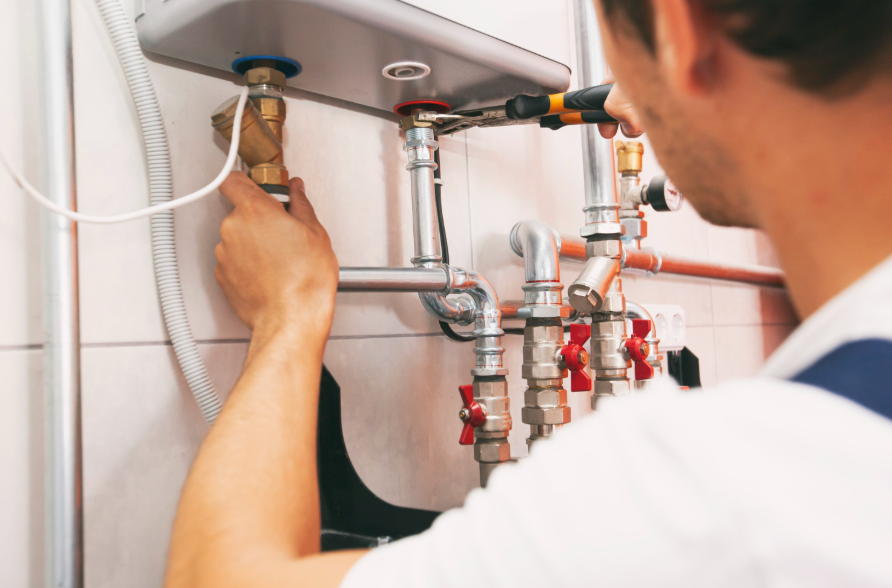
Is your boiler ready for a Philadelphia winter? A pre-season checklist
Boiler winter readiness in Philadelphia comes down to a few smart checks done before the temperatures drop, not panicked calls during the first cold snap. A well-prepared system runs more efficiently, costs less to operate, and is far less likely to fail when you need it most.
Winter in Philadelphia can be tough on your home's heating system. The city's cold season runs from October through April, and temperatures often drop below freezing. Getting your boiler checked and maintained before winter arrives helps prevent breakdowns when you need heat the most.
Your boiler works hard to keep your home warm during the coldest months. Older systems face higher chances of failing during peak winter use. Small problems that seem minor in fall can turn into major issues once the temperature drops.
This guide covers what you need to know about preparing your boiler for winter. You'll learn how to spot warning signs, what maintenance tasks to complete, and when to call a professional. Taking action now protects your family's comfort and can save you money on emergency repairs.
In this article, we'll cover:
- Understanding the impact of Philadelphia winters on boilers
- Indicators your boiler needs attention
- Crucial boiler maintenance tasks before winter
- Homeowner actions to improve efficiency
- Situations that require a professional technician
Keep reading to learn how to catch problems early, lower your heating bills, and keep your home safely warm all winter long.
Understanding the impact of Philadelphia winters on boilers
Philadelphia winters push boilers to work harder and longer than any other season, creating serious risks for aging or poorly maintained systems. Freezing temperatures increase the chances of breakdowns, and emergency repairs during peak winter can cost significantly more than preventive maintenance.
How cold weather increases boiler strain and failure risk
Cold weather forces your boiler to run more frequently and for longer periods to maintain comfortable indoor temperatures. Philadelphia winters regularly drop below freezing, which means your system operates at maximum capacity for weeks or months at a time.
This constant demand stresses every component in your boiler. Expansion and contraction from temperature changes can crack heat exchangers. Water that sits in pipes can freeze and cause burst lines if your boiler fails overnight, which is one reason frozen pipe repair becomes a common emergency in January and February.
Older boilers struggle the most during cold snaps. Parts that seemed fine in fall may fail under sustained winter pressure. The combustion chamber works harder to heat water when incoming water temperature is near freezing instead of the milder temperatures seen in spring or fall.
Common winter-related boiler problems include:
- Frozen condensate pipes that shut down the system
- Pressure drops from repeated heating cycles
- Ignition failures in gas boilers
- Corroded components that crack under thermal stress
Cost of emergency heating breakdowns during winter
Emergency boiler repairs during winter cost 30-50% more than scheduled maintenance visits. HVAC companies charge premium rates for urgent calls, especially during weekends and holidays when families most need heat.
A typical emergency service call ranges from $200-$400 just to diagnose the problem. Parts and labor add hundreds or thousands more depending on what failed. If your boiler needs replacement during peak season, you'll pay top dollar when demand is highest.
Your family may need temporary housing if repairs take multiple days. Hotels or staying with relatives adds stress and expense. Some homeowners rent space heaters, which are inefficient and drive up electric bills while posing fire risks. According to the U.S. Fire Administration, heating is one of the leading causes of home fires in the United States, with portable space heaters responsible for a disproportionate share of fatal incidents during the winter months.
Benefits of early-season boiler inspection
Scheduling a boiler winter readiness inspection in early fall costs less and prevents most cold-weather failures. Technicians can spot worn parts before they break and replace them during normal business hours at standard rates.
A professional inspection checks your boiler efficiency cold weather performance by testing combustion levels and heat output. The technician adjusts burner settings to maximize fuel economy, which lowers your heating bills all winter long.
Winter heating system inspection includes cleaning the combustion chamber, testing safety controls, and checking water pressure. These steps ensure your boiler runs reliably when you need it most. Most inspection services cost $150-$250 but save you from thousand-dollar emergency repairs.
Early inspections also give you time to budget for repairs or replacement if needed. You can compare quotes from multiple contractors instead of accepting the first available technician during a freezing emergency.
Indicators your boiler needs attention
Your boiler should run quietly and keep your home warm without problems. When something goes wrong, certain signs appear that tell you it's time to call a professional before small issues turn into costly repairs or complete system failure.
Inconsistent or weak heating performance
Uneven heating throughout your Philadelphia home points to a boiler problem that needs fixing. You might notice some rooms stay cold while others get too hot, or your entire house never reaches the temperature you set on your thermostat.
This happens when your boiler can't circulate hot water properly through your radiators or baseboard heaters. The issue could be trapped air in your system, a failing circulation pump, or sediment buildup in the heat exchanger. Low water pressure also causes weak heating performance.
When you have no heat at all, check your thermostat settings first and make sure your boiler is receiving power. If these basic steps don't work, you're dealing with a bigger problem. No heat boiler troubleshooting should include checking for error codes on your system's display panel if it has one. These are some of the clearest signs it's time to call a plumber or HVAC technician before a small fault turns into a full system failure.
Don't wait when you notice heating problems. Cold spots in your home during winter aren't just uncomfortable, they can lead to frozen pipes and water damage.
Strange noises coming from the boiler system
A properly working boiler runs almost silently. When you hear unusual sounds, your system is telling you something is wrong.
Common boiler noises and what they mean:
- Banging or kettling \- Mineral deposits on the heat exchanger cause water to boil and create steam bubbles
- Whistling \- Trapped air in the system or a valve that needs adjustment
- Gurgling \- Air pockets in your pipes or low water levels
- Humming or vibrating \- Loose parts or a failing circulation pump
Banging sounds are especially serious. This "kettling" reduces your boiler's efficiency and can damage internal components. The buildup restricts water flow and makes your boiler work harder than it should.
Any noise beyond the normal quiet hum of operation deserves professional attention. Ignoring these sounds leads to more expensive repairs down the road.
Rising energy bills without increased usage
Your energy bills should stay relatively stable from year to year when you use the same amount of heat. A sudden spike in costs means your boiler is losing efficiency.
An inefficient boiler burns more fuel to produce the same amount of heat. According to the U.S. Department of Energy, heating accounts for nearly 29% of the energy used in a typical U.S. home, which makes even small drops in boiler efficiency expensive over the course of a Philadelphia winter. Pennsylvania winters are already expensive enough without paying extra for a failing heating system.
Compare your current bills to the same months from previous years. Look for increases of 15% or more that you can't explain by rate changes or colder weather. This pattern shows your boiler is working harder to do its job.
Common causes include dirty burners, scale buildup inside the heat exchanger, or a boiler that's simply too old. Regular maintenance prevents many of these issues, but once efficiency drops significantly, repairs or replacement become necessary.
Pilot light or ignition problems
Modern boilers use electronic ignition, while older models have pilot lights. Either system should start your boiler reliably every time it needs to heat your home.
A pilot light that keeps going out signals problems with the thermocouple, gas supply, or a draft blowing out the flame. Yellow or orange flames instead of blue indicate incomplete combustion, which creates dangerous carbon monoxide and damages your system. The Centers for Disease Control and Prevention reports that more than 400 Americans die each year from unintentional carbon monoxide poisoning unrelated to fires, with many cases tied to faulty fuel-burning appliances like boilers and furnaces.
Electronic ignition systems might click repeatedly without starting, fail to spark, or show error codes. These issues stem from faulty ignition components, dirty sensors, or electrical problems.
You shouldn't need to manually relight your pilot more than once or twice a season. Frequent relighting means you need repairs. Never ignore ignition problems, they can create safety hazards and leave you without heat when temperatures drop.
Crucial boiler maintenance tasks before winter
Getting your boiler ready for Philadelphia's cold season requires checking several key systems to prevent breakdowns when you need heat most. These tasks focus on cleaning internal components, verifying safety mechanisms work properly, examining all physical connections, and confirming your temperature controls respond accurately.
Flushing and cleaning the boiler system
Your boiler accumulates sediment, mineral deposits, and sludge throughout the year that reduces efficiency and can cause damage. Flushing removes these buildups from the heat exchanger and piping before winter demand increases.
A professional technician drains the system completely and introduces cleaning solutions that break down stubborn deposits. This process restores proper water flow and improves heat transfer between the burner and water supply.
Clean components also prevent hot spots that lead to equipment failure. If you have hard water in Philadelphia, sediment builds up faster and requires attention every year.
High-efficiency condensing boilers need special attention to condensate drains. These drains must stay clear to prevent water backup that can shut down your system in the middle of winter. Recognizing the signs that a small plumbing issue is becoming a bigger problem gives you a window to address sediment and drain buildup before they shut down your heat.
Checking pressure levels and safety controls
Your boiler operates within a specific pressure range, typically between 12 and 15 psi for residential systems. Low pressure means inadequate heating, while high pressure creates dangerous conditions.
The pressure gauge shows current levels, but you need to verify the pressure relief valve works correctly. This valve releases excess pressure automatically to prevent tank rupture or explosions.
Test the valve by lifting the lever slightly to ensure water flows freely, then releases cleanly when you let go. A stuck or leaking valve needs immediate replacement.
Other safety controls include the high limit switch that shuts down the burner if water temperature gets too high and the low water cutoff that prevents dry firing. Both devices must function perfectly before winter starts.
Inspecting pipes, valves, and connections
Physical connections throughout your heating system can develop leaks, corrosion, or loose fittings over time. Check all visible piping for signs of moisture, rust stains, or mineral deposits that indicate slow leaks. A targeted leak repair on these connection points often prevents bigger boiler failures down the line.
Pay attention to the flue pipe that vents combustion gases outside. It must maintain proper slope, have secure connections, and show no signs of corrosion. A compromised flue creates carbon monoxide risks inside your home.
Examine shutoff valves to confirm they turn smoothly and seal completely. Seized valves prevent you from isolating sections for repairs during emergencies.
Insulation on pipes running through unheated areas protects against freezing. Replace any damaged or missing insulation before temperatures drop below freezing.
Testing thermostat accuracy and response
Your thermostat controls when the boiler fires and maintains your desired temperature. An inaccurate thermostat wastes fuel by overheating spaces or leaves you cold when it fails to trigger heating cycles.
Test accuracy by placing a separate thermometer near the thermostat and comparing readings after 15 minutes. Differences greater than two degrees indicate calibration problems.
Check response time by adjusting the temperature setting up five degrees. The boiler should start within a few minutes. Delayed response often means wiring issues or a failing thermostat that needs replacement.
For programmable thermostats, verify your heating schedule matches your current routine. Dead batteries cause settings to reset, so replace them annually as part of your boiler maintenance checklist winter preparation.
Homeowner actions to improve efficiency
Simple maintenance tasks can keep your boiler running at peak performance throughout the winter months. These actions help reduce energy waste and ensure consistent heat distribution across your home.
Bleeding radiators for improved efficiency
Air trapped inside your radiators prevents hot water from circulating properly. This creates cold spots and forces your boiler to work harder than necessary.
To bleed a radiator, turn off your heating system and let it cool. Hold a cloth under the bleed valve at the top corner of the radiator. Use a radiator key to turn the valve counterclockwise slowly. You'll hear a hissing sound as air escapes.
Keep the valve open until water starts dripping out. Close the valve immediately when you see water. Start with radiators on the highest floor of your home and work your way down.
Check your boiler's pressure gauge after bleeding radiators. The pressure may drop below the recommended range of 12-15 PSI. Add water through the filling loop if needed to restore proper pressure levels.
Clearing vents and airflow obstructions
Blocked vents force your boiler to consume more fuel while delivering less heat. Check all radiators and heating vents for furniture, curtains, or storage items pressed against them.
Maintain at least six inches of clearance around each radiator. Remove dust buildup on radiator fins using a vacuum attachment or damp cloth. Dust acts as insulation that traps heat inside the radiator instead of releasing it into your room.
Inspect floor vents and baseboard heaters for debris accumulation. Pet hair, toys, and household items commonly block these openings. Clean vent covers monthly during heating season to maintain steady airflow throughout your home.
Checking for visible leaks or corrosion
Water leaks waste energy and can damage your boiler system. Examine pipes, valves, and connections for moisture, rust stains, or mineral deposits. Reviewing the common causes of household water leaks can help you tell the difference between cosmetic surface rust and a connection that's actively failing.
Look under your boiler for puddles or damp spots on the floor. Check pressure relief valves for dripping water. Inspect radiator valves where pipes connect to each unit. If you spot moisture on a ceiling near boiler pipes, address the ceiling leak right away before drywall damage spreads.
Small amounts of corrosion around fittings often indicate slow leaks that worsen over time. Rust-colored water or flaking metal on pipes needs immediate attention. Document any issues you find and contact a licensed technician for repairs before winter temperatures arrive.
Situations that require a professional technician
Knowing when to call a professional can prevent small boiler problems from becoming major issues during winter. Some situations need expert attention to keep your heating system safe and working properly.
Signs of inefficient or unsafe boiler operation
Your boiler shows clear warning signs when something isn't working right. Strange noises like banging, whistling, or gurgling indicate problems with water pressure, air in the lines, or mineral buildup. Yellow or orange flames instead of blue flames mean incomplete combustion, which can release carbon monoxide into your home.
Water leaks around your boiler need immediate attention. Even small drips can signal failing seals or corroded pipes that will worsen over time.
Unusual smells require urgent action:
- Gas odors mean a potential leak
- Burning smells suggest electrical problems
- Musty odors can indicate mold from moisture
Cold spots in radiators, constantly running systems, or rooms that never reach the right temperature show your boiler isn't distributing heat properly. High energy bills without increased use also point to efficiency problems that waste money and strain your equipment.
Need for full system tune-up or repair
A heating system tune-up Philadelphia addresses problems before they cause breakdowns. Technicians should perform annual maintenance between September and early October, before cold weather starts. This timing lets you fix issues without the stress of frozen pipes or emergency service calls.
Professional tune-ups include cleaning burners, checking gas pressure, testing safety controls, and inspecting heat exchangers for cracks. For work involving gas connections in particular, hiring a Master Licensed Plumber makes a real difference in both safety and code compliance. Older boilers in Philadelphia homes need this attention because they work harder and have more wear on their parts.
You need repairs when your boiler cycles on and off frequently, makes unusual sounds, or fails to heat your home evenly. Systems older than 15 years often need more frequent service calls as parts wear out.
Preventive inspections for long-term reliability
Regular inspections catch problems early when they cost less to fix. Philadelphia law requires landlords to maintain working heat from October 1 through April 30, but all homeowners benefit from the same schedule.
Annual inspections should cover:
- Combustion efficiency testing
- Pressure and temperature gauge checks
- Vent system examination
- Thermostat calibration
- Safety valve testing
Technicians look for rust, corrosion, and mineral deposits that reduce efficiency. They also check carbon monoxide detectors and ensure proper ventilation. Cast iron radiators and hydronic heating systems in older Philadelphia homes need special attention because they have more components that can fail.
Scheduling inspections in late summer gives you time to complete repairs before you need your boiler daily. This approach prevents emergency situations and extends your equipment's lifespan.
Conclusion
You need to take action before cold weather arrives in Philadelphia. The heating season runs from October 1 through April 30, and the city requires safe, reliable heat by law.
You can prevent costly repairs and system failures by scheduling maintenance now. Older homes in neighborhoods like Society Hill and Old City need extra attention because their 18th and 19th-century systems require specialized care.
Your heating system works harder during winter months. Regular maintenance keeps it running efficiently and reduces energy costs. You also protect your family from dangerous situations like carbon monoxide leaks or unexpected breakdowns during freezing temperatures.
You have time to address any issues before the cold weather hits. Don't wait until your system fails on the coldest night of the year. To schedule your pre-season boiler inspection and tune-up, contact Guaranteed Plumbing, Heating and Air today.