


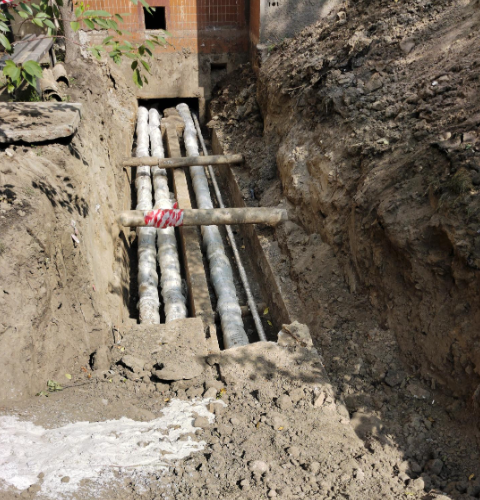
Signs your sewer line needs repair or replacement in a Philadelphia home
Sewer line repair in Philadelphia is one of those projects most homeowners hope to avoid, but spotting the early warning signs can save you thousands and protect your property from serious damage. Knowing what to look for and what your options are makes the difference between a manageable fix and a full-blown emergency.
Sewer line problems can quickly turn into a homeowner's worst nightmare in Philadelphia. Professional sewer line repair services in Philadelphia can fix issues like clogs, cracks, and collapsed pipes using modern methods that minimize damage to your property. Many local companies now offer trenchless repair options that save time and reduce the mess compared to traditional digging methods.
Your home's sewer system works hard every day, but it doesn't last forever. Philadelphia's older neighborhoods often deal with aging pipes that were installed decades ago. Tree roots, ground shifts, and wear can all damage these underground lines without warning.
Knowing when to call for help can save you thousands of dollars in repairs. This guide will walk you through the warning signs of sewer trouble, explain what causes pipes to fail, and help you understand your repair options. You'll learn what to expect during the repair process and how to protect your home from future problems.
In this article, we'll cover:
- Consequences of unresolved sewer line issues
- Recognizing early signs of sewer damage
- Primary causes of sewer line failure in Philadelphia
- Evaluating repair and replacement options
- The sewer repair process: what homeowners can expect
Keep reading to learn how to spot trouble early, choose the right repair method, and avoid the costly emergencies that catch most homeowners off guard.
Consequences of unresolved sewer line issues
Ignoring sewer line problems leads to damaged plumbing systems, serious health hazards, and rapidly increasing repair bills that can cost thousands more than early intervention.
How sewer issues affect plumbing and home safety
A failing sewer line puts your entire plumbing system at risk. When your main sewer line clogs or breaks, wastewater can back up into your home through drains, toilets, and bathtubs. This backup creates pressure throughout your pipes that can damage fixtures and appliances.
Cracks in your sewer line allow waste to leak into your yard and potentially into your foundation. This moisture weakens your home's structural integrity over time. Tree roots that enter through broken pipes will continue expanding inside the line, making the damage worse with each passing month.
Your drains will slow down or stop working completely when the main line fails. Multiple fixtures backing up at once signals a serious problem in your sewer line. Water damage from backups can ruin floors, walls, and personal belongings.
Health risks from sewer backups and contamination
Raw sewage contains harmful bacteria, viruses, and parasites that cause serious illnesses. When sewage backs up into your home, it exposes your family to E. coli, salmonella, and hepatitis A. Even small amounts of contamination pose significant health risks.
The smell from sewer gas indicates dangerous gases entering your living space. According to the Centers for Disease Control and Prevention, sewage exposure can transmit pathogens that cause gastrointestinal illness, skin infections, and respiratory problems, which is why contaminated areas should be cleaned and disinfected by trained personnel. These gases include methane and hydrogen sulfide, which can cause headaches, dizziness, and respiratory problems. Prolonged exposure to these gases is particularly dangerous for children and people with existing health conditions.
Standing sewage creates breeding grounds for insects and rodents that spread disease. Mold grows quickly in areas affected by sewage backups, triggering allergic reactions and respiratory issues. Your home becomes unsafe until professionals remove all contaminated materials and sanitize affected areas.
Cost implications of delayed sewer repairs
Early repairs typically cost between $1,500 and $3,000 for spot fixes. Waiting turns minor problems into major failures requiring full line replacement. Sewer line replacement costs in Philadelphia range from $6,000 to $15,000 for conventional excavation from your house to the curb.
Water damage from backups adds thousands in restoration costs. You'll pay for cleaning, sanitizing, and replacing damaged flooring, drywall, and belongings. Insurance may not cover damage if you delayed obvious repairs.
Emergency repairs cost significantly more than scheduled maintenance. Recognizing the signs that a small plumbing issue is becoming a bigger problem gives you a window to act before rates climb. Weekend and after-hours service calls carry premium rates. The longer you wait, the more pipe sections deteriorate and need replacement instead of simple repairs.
Recognizing early signs of sewer damage
Catching sewer line problems early protects your home from expensive repairs and health hazards. Pay attention to recurring drain issues, unusual smells, strange sounds from your plumbing, and backup events in multiple fixtures.
Frequent drain clogs throughout the home
A single clogged drain usually means a localized problem. When multiple drains in your home clog repeatedly, this points to a main sewer line issue. You might notice that toilets, sinks, and tubs all drain slowly at the same time.
These main sewer line clog signs often start mild and get worse over time. Tree roots can break through pipes and catch debris. Older pipes may develop cracks or collapse. Grease buildup can restrict flow in the main line.
If you clear one drain only to have another clog the next day, your main sewer line likely has a blockage. Knowing when a clogged drain is an emergency helps you decide how fast to act. Using drain cleaners repeatedly won't fix the underlying problem and can damage your pipes further.
Foul odors coming from drains or yard
Sewage smells inside your home signal a serious problem. Your plumbing system uses traps and vents to keep sewer gases out. When you smell sewage near drains, your sewer line may have a crack or break.
Outdoor sewage odors are equally concerning. Check your yard for:
- Strong sewage smells near the foundation
- Wet, muddy areas when it hasn't rained
- Patches of extra green grass
- Standing water with a foul odor
These broken sewer pipe symptoms mean wastewater is leaking into the soil around your home. The leak creates health risks and can damage your foundation. Raw sewage contains harmful bacteria that threaten your family and neighbors.
Slow drains and gurgling toilet sounds
Gurgling noises from your toilet or drains indicate air trapped in your sewer line. When water tries to flow past a blockage, it creates bubbles that make these unusual sounds. You might hear gurgling when you flush the toilet or run water in the sink.
Slow drainage throughout your home shows restricted flow in the main line. Water that takes several seconds to drain from your sink or bathtub suggests a developing blockage. The problem typically affects the lowest drains in your home first.
These sewer backup warning signs home fixtures display often worsen gradually. What starts as a slight gurgle can turn into a complete blockage within weeks or months.
Sewage backups in tubs, sinks, or basement drains
Sewage backing up into your home is an emergency that needs immediate attention. This typically happens in the lowest drains first, which is why basement drains and first-floor tubs often show problems before upstairs fixtures.
Watch for these backup warning signs:
- Black water appearing in tubs or showers
- Toilet overflow when you run the washing machine
- Basement floor drains pooling with sewage
- Multiple fixtures backing up simultaneously
When sewage backs up, it means your main sewer line is severely blocked or broken. The wastewater has nowhere to go except back into your home. This creates immediate health hazards and can cause extensive property damage. These are clear signs it's time to call a plumber without delay. Stop using all water in your home and contact a professional plumber right away.
Primary causes of sewer line failure in Philadelphia
Philadelphia homeowners deal with sewer line problems caused by old infrastructure, invasive tree roots, unstable soil conditions, and improper disposal of household waste. These issues affect properties throughout the city, especially in neighborhoods with older construction.
Aging pipes and deteriorating materials
Many Philadelphia homes still rely on clay or cast-iron sewer pipes installed decades ago. Clay pipes become brittle over time and develop cracks, while cast-iron pipes corrode from the inside out. These older materials simply weren't designed to last indefinitely.
The city's sewer infrastructure includes thousands of miles of aging pipes. According to the U.S. Environmental Protection Agency, an average household's leaks can waste nearly 10,000 gallons of water per year, and aging service connections are a major contributor to that loss across the country. Your home's connection line may be 50, 70, or even 100 years old. As these pipes deteriorate, they lose structural integrity and can collapse or separate at the joints.
Temperature changes and chemical exposure speed up this breakdown process. Winter freeze-thaw cycles cause expansion and contraction that weakens pipe walls. The acidic nature of wastewater gradually eats away at metal pipes.
Tree root intrusion into underground lines
Tree roots cause some of the most common sewer line damage in Philadelphia's older neighborhoods. Roots naturally seek out moisture and nutrients, and your sewer line provides both in abundance. Even small cracks or loose joints become entry points for thin root tendrils.
Once inside, these roots grow rapidly and expand to fill the entire pipe. They create blockages that trap debris and cause backups into your home. Root masses can also exert enough pressure to crack pipes or push sections apart.
Large trees planted near sewer lines pose the biggest risk. Species like willows, maples, and elms have aggressive root systems that spread far from the trunk. Your property may have pipes damaged by roots from trees in neighboring yards or parkway plantings.
Ground shifting and pipe misalignment
Philadelphia's soil composition varies across neighborhoods, and this affects underground pipes differently. Clay-heavy soils expand when wet and contract during dry periods. This movement places stress on rigid sewer pipes.
Ground settling happens naturally over time as soil compacts under the weight of structures and pavement. Your sewer line can sag or develop low spots where water and waste accumulate. These bellies in the pipe line lead to recurring clogs.
Construction activity and heavy vehicle traffic also contribute to ground shifts. Vibrations and weight from trucks or nearby excavation work can jostle pipes out of alignment. Separated joints allow soil to enter the line and cause blockages, which can also affect nearby water lines running through the same ground.
Grease buildup and household waste blockage
Kitchen grease poured down drains cools and solidifies inside your sewer line. According to the Environmental Protection Agency, fats, oils, and grease are a leading cause of sewer blockages and overflows nationwide, and even small amounts poured down drains can build up and restrict flow in residential and municipal lines. This sticky coating catches food particles, hair, and other debris. Layers build up over time until water flow becomes restricted.
Flushing items that don't break down causes serious problems. Wet wipes, paper towels, feminine hygiene products, and cotton swabs don't disintegrate like toilet paper. These materials snag on rough pipe interiors or root intrusions and create dense clogs.
Even products labeled "flushable" often fail to dissolve properly in sewer systems. Your main line carries waste from all your household drains, so improper disposal habits compound quickly. Regular blockages from these materials indicate you need to change what goes down your drains.
Evaluating repair and replacement options
Philadelphia homeowners need to understand when a simple repair will work and when full replacement becomes necessary. The right choice depends on factors like pipe damage severity, material type, and long-term cost considerations.
When sewer line repair is sufficient
Minor damage to your sewer line often needs only targeted repairs. Cracks, small breaks, or localized blockages can be fixed without replacing the entire system.
Your plumber might recommend repair when:
- Single section damage: Only one area of the pipe shows problems
- Recent installations: Newer pipes with isolated issues
- Small cracks or leaks: Damage hasn't spread throughout the line
- Root intrusion in limited areas: Blockages affect a specific spot
Repairs cost between $1,150 to $5,750 for most Philadelphia homes. This option makes sense financially when the rest of your sewer line remains in good condition. You preserve most of your existing infrastructure while fixing the immediate problem, similar to how a targeted leak repair addresses a single failure point without overhauling the whole system.
When full replacement becomes necessary
Complete sewer line replacement becomes the better choice when damage affects multiple sections. Older homes in Philadelphia often face this situation with deteriorating clay or cast iron pipes.
You should consider replacement when your line has:
- Collapsed or crushed pipes: Structural failure prevents flow
- Extensive corrosion: Metal pipes show widespread deterioration
- Multiple problem areas: Repairs would cost nearly as much as replacement
- Offset or misaligned sections: Shifting soil has damaged the line in several spots
- Age-related failures: Pipes older than 50 years with recurring issues
Replacement provides a permanent solution. Your new sewer line will use modern materials that resist corrosion and root intrusion better than older pipe types. For a job of this size, working with a Master Licensed Plumber ensures the work meets code and holds up for decades.
Trenchless sewer repair options and benefits
Trenchless sewer repair Philadelphia services offer modern alternatives to traditional excavation. These methods fix or replace your sewer line with minimal digging.
Two main trenchless methods work for Philadelphia homes:
- Pipe lining: Installers place a resin-coated liner inside your existing pipe, creating a new pipe within the old one
- Pipe bursting: Equipment breaks apart the old pipe while pulling new pipe into place
Trenchless repairs protect your property. You avoid tearing up driveways, sidewalks, or landscaping. The process takes less time than traditional excavation and causes less disruption to your daily routine.
These methods work well for most Philadelphia properties, including rowhomes where yard access is limited. You get a new or renewed sewer line without the mess and restoration costs of traditional digging.
The sewer repair process: what homeowners can expect
Sewer line repairs in Philadelphia follow a clear process that starts with inspection technology and moves through either traditional digging or modern trenchless methods. Understanding each step helps you prepare for the work, manage costs, and know exactly what happens on your property.
Sewer camera inspection and diagnosis process
The repair process begins with a camera inspection of your sewer line. A technician inserts a waterproof camera attached to a flexible cable into your pipes through an access point like a cleanout or toilet drain.
The camera sends live video footage to a monitor above ground. You can watch alongside the plumber to see cracks, root intrusions, blockages, or collapsed sections. The camera records the exact location and depth of problems using a locating device.
Before the camera goes in, technicians often clean the line with hydro-jetting to remove debris and buildup. This ensures the camera gets clear footage of pipe walls. The inspection typically takes 30 to 90 minutes depending on your property size.
The technician provides a detailed report showing which pipe sections need repair, the severity of damage, and recommended solutions. This diagnosis determines whether you need spot repairs, pipe lining, or full replacement.
Traditional vs trenchless repair methods explained
Traditional excavation requires digging trenches to expose damaged pipes. Workers remove old pipes and install new ones, then refill the trenches. This method costs less upfront but damages landscaping, driveways, and sidewalks. Repairs take 3 to 5 days for most residential jobs.
Trenchless methods fix pipes with minimal digging:
- Pipe lining (CIPP) \- Technicians insert a resin-coated liner into your existing pipe, inflate it, and cure it with heat or UV light. This creates a new pipe inside the old one that lasts 50+ years. Only requires small access holes.
- Pipe bursting \- A new pipe gets pulled through the old one while simultaneously breaking apart the damaged pipe. Works well for severely collapsed lines.
Trenchless repairs cost 30% to 50% more than excavation but save your yard and finish in 1 to 2 days. The best choice depends on your pipe's condition, location, and access points.
Timeline, cost factors, and homeowner preparation
Most sewer repairs in Philadelphia take 1 to 5 days from inspection to completion. Simple trenchless repairs finish in one day, while extensive excavation projects need up to a week.
Cost factors include:
- Pipe depth and length
- Repair method chosen
- Permit requirements
- Property accessibility
- Driveway or sidewalk restoration
- Tree root removal needs
Philadelphia permits typically add $200 to $500 and require city inspection before closing trenches. Repairs near the street need coordination with the Philadelphia Water Department.
Prepare your home by clearing work areas, moving vehicles from driveways, and securing pets. You may lose water access for several hours during connection work. Schedule repairs when you can stay elsewhere if needed. Keep children away from open trenches and equipment.
Conclusion
Sewer line problems in Philadelphia require quick action to prevent property damage and health hazards. You now understand the repair options available, from traditional excavation to modern trenchless methods.
The costs for sewer line repair in Philadelphia typically range from $1,150 to $5,750 depending on the scope of work. Your final price depends on factors like pipe length, damage severity, and the repair method you choose.
Philadelphia's older homes often have aging sewer lines that need attention. Regular maintenance helps catch small issues before they become expensive emergencies.
You should verify that your chosen contractor has proper licensing and insurance. Check reviews and ask for references from past Philadelphia customers.
Most reputable plumbers offer free estimates and will explain your repair options clearly. They should provide upfront pricing and discuss timeline expectations.
Your sewer line connects your home to the city's main system. Keeping it in good condition protects your property value and prevents sewage backups. When you choose an experienced Philadelphia plumber, you get repairs done right the first time. To schedule a sewer camera inspection or get a free estimate, contact Guaranteed Plumbing, Heating and Air today.