


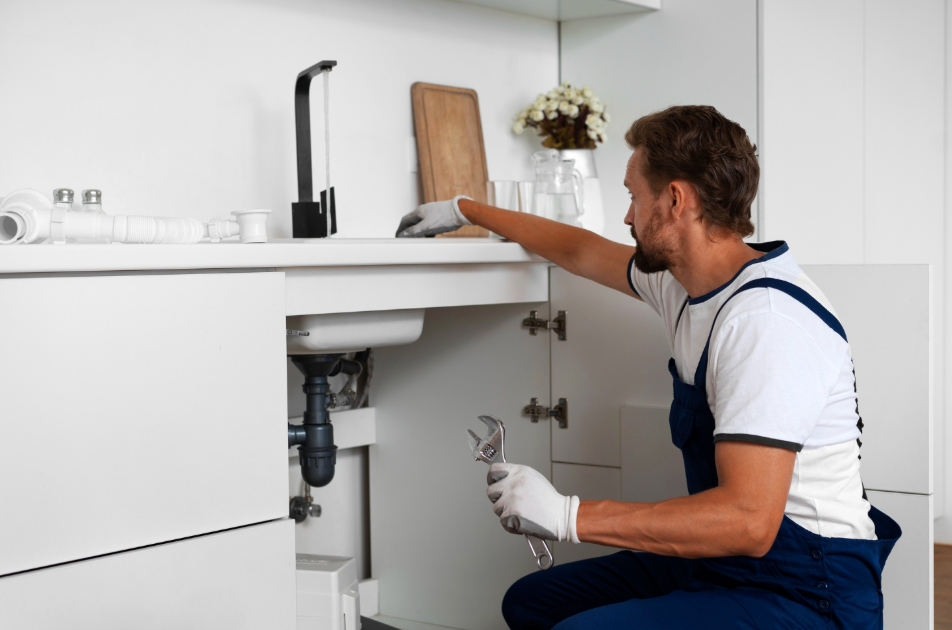
What to expect when you Call an emergency plumber in Philadelphia
Calling an emergency plumber in Philadelphia is something most homeowners do under pressure, with water on the floor and no time to research providers. Knowing exactly what happens from the moment you dial until the technician leaves gives you a real advantage when seconds matter.
Plumbing problems don't wait for convenient times to happen. A pipe can burst at 2 AM, or your water heater can fail on a holiday weekend. When you face a plumbing emergency in Philadelphia, you need to know how to find qualified help quickly and what to expect from the service.
Philadelphia has many emergency plumbers available 24/7 to handle urgent repairs. These professionals can fix burst pipes, severe leaks, gas line issues, and other problems that can't wait until regular business hours. Understanding how emergency plumbing services work will help you respond better when a crisis happens.
This guide walks you through the key steps of getting emergency plumbing help in Philadelphia. You'll learn how to tell if your problem is truly urgent, how to contact a plumber after hours, what response times are typical in the area, and what the service visit will involve. You'll also get information about costs so you can be prepared when you need emergency repairs.
In this article, we'll cover:
- Identifying plumbing emergencies
- Process of requesting emergency service
- Understanding response times in Philadelphia
- What to expect during the service visit
- Typical costs and payment considerations
Keep reading to learn how to spot a true emergency, get help fast, and avoid the costly mistakes most homeowners make under pressure.
Identifying plumbing emergencies
Knowing when a plumbing problem requires immediate help protects your home from serious damage. Some issues can wait until normal business hours, but burst pipes, sewer backups, and complete water loss need fast action to prevent costly repairs.
Burst pipes and sudden water leaks
A burst pipe releases large amounts of water into your home quickly. You'll notice water pooling on floors, dripping from ceilings, or spraying from walls. According to the U.S. Environmental Protection Agency, household leaks waste nearly one trillion gallons of water nationwide each year, and roughly 10 percent of homes have leaks that waste 90 gallons or more per day, which is why catching an active leak quickly matters.
This type of emergency happens often in winter when frozen pipes crack. It also occurs when old pipes corrode or when water pressure gets too high. Burst pipe emergency repair cannot wait because water damage spreads fast through walls, floors, and belongings.
Turn off your main water valve right away if you spot a burst pipe. The valve is usually near your water heater or where the main line enters your home. Shutting off the water stops more damage while you wait for help.
Water leaks from supply lines under sinks or behind toilets also count as emergencies when they spray continuously. Small drips can usually wait, but active leaks that soak walls or floors need same-day leak repair, and learning how to tell if you need a leak repair can help you act before damage spreads.
Sewer backups and flooding issues
Raw sewage backing up into your home is both dangerous and urgent. You'll see water or waste coming up through drains, toilets, or floor drains in your basement.
Sewer backups expose your family to harmful bacteria and contaminate your living space. According to the Centers for Disease Control and Prevention, sewage exposure can transmit pathogens that cause gastrointestinal illness, skin infections, and respiratory problems, which is why contaminated areas need to be cleaned and disinfected by trained personnel. The smell is strong and unpleasant. This problem often means a main sewer line is blocked or broken.
Stop using all water in your home when sewage backs up. Running water from faucets or flushing toilets makes the backup worse. A clogged drain emergency plumber can clear the main line and restore normal drainage. If you're unsure whether your situation qualifies, here's a clear guide to when a clogged drain is an emergency.
Basement flooding from plumbing failures also requires immediate attention. Standing water damages foundations and creates mold growth within 24 to 48 hours.
No running water or major plumbing failure
Complete water loss in your home qualifies as an emergency. You need running water for basic tasks like cooking, cleaning, and using bathrooms.
Check if your neighbors have water to determine if the problem is just your house. If only your home is affected, the issue is likely a main line break, a closed valve, or a failed pressure tank affecting your water lines.
Gas leaks from water heater connections or gas lines also count as critical emergencies. You'll smell a rotten egg odor near gas appliances. Leave your home immediately and call both the gas company and an emergency plumber.
Water heater failures that flood your basement or leave you without hot water in winter need quick repairs. Most plumbers can arrive within a few hours for these urgent situations.
Process of requesting emergency service
When you call for emergency plumbing help in Philadelphia, the company will gather key details about your problem and send a technician to your location. Most services follow a standard process to handle your call quickly and get help on the way.
Initial phone assessment and problem diagnosis
The dispatcher will ask you specific questions to understand what's happening in your home. You'll need to describe the issue, such as a burst pipe, sewer backup, or water heater leak. They'll want to know if water is actively flowing or if there's flooding in your home.
The person taking your call will try to figure out how serious the problem is. This helps them decide if you need immediate help or if it can wait a few hours. They may ask if you've turned off your main water valve or taken any steps to limit damage.
Based on what you tell them, the dispatcher can often identify the likely cause of the problem. They might give you simple instructions to help control the situation until the plumber arrives. For example, they could tell you where to find shut-off valves or how to contain water damage. Recognizing the signs that a small plumbing issue is becoming a bigger problem can help you describe what's happening more accurately on that first call.
Estimated arrival time and technician dispatch
Most emergency plumbers in Philadelphia offer same-day service and will give you a time window for arrival. Many companies provide 24/7 service and can respond within one to two hours for urgent problems. The exact timing depends on where you live and how many calls they're handling.
The company will send a licensed technician who has the tools and parts needed for common emergency repairs. Working with a Master Licensed Plumber matters here, since complex emergencies often require advanced training and code knowledge. You'll usually get a call when the plumber is on the way to your home. Some services let you track the technician's location through an app or text updates.
What information to provide before arrival
You should give the dispatcher your exact address and the best phone number to reach you. Let them know if there are any access issues, like a locked gate or specific parking instructions. Mention if you have pets that need to be secured before the plumber enters.
Describe any previous plumbing work or repairs in the affected area. Tell them if you've had similar problems before or if this is the first time. You should also mention if you have an older home, as this can affect what parts and methods the plumber needs.
Provide details about where the problem is located in your house. Note if it's in a basement, bathroom, kitchen, or outside. The more specific information you give, the better prepared the technician will be when they arrive.
Understanding response times in Philadelphia
Response times for emergency plumbers in Philadelphia vary based on several factors, including time of day, location within the city, and how busy the service is at the moment you call. Most 24/7 plumbing services aim to arrive within 60 to 90 minutes during standard emergencies.
Factors that affect arrival speed
Your location within Philadelphia plays a major role in how quickly a plumber can reach you. If you live in Center City or nearby neighborhoods, response times tend to be faster because many plumbing companies station crews in central areas.
Traffic conditions also impact arrival times. Rush hour traffic on I-76 or the Schuylkill Expressway can add 15 to 30 minutes to a plumber's trip. Weather conditions like heavy snow or ice storms common in Philadelphia winters can slow response times even more.
The severity of your plumbing emergency affects how quickly crews mobilize. A burst pipe flooding your home gets prioritized over a slow drain. Most companies dispatch their closest available plumber when you call, but if all crews are occupied, you may wait longer.
Day versus night response differences
Response times often differ between daytime and nighttime calls. During business hours (typically 8 AM to 5 PM), plumbing companies have more technicians on duty and can dispatch help faster. You might see arrival times of 45 to 60 minutes during the day.
Night calls usually take longer because fewer crews work overnight shifts. A 24/7 plumbing service Philadelphia maintains on-call technicians at night, but these plumbers may need to travel from home rather than from a central location. Expect response times of 90 minutes to 2 hours for overnight emergencies.
Weekend calls fall somewhere in between. Most emergency plumbers keep reduced staff on Saturdays and Sundays but more than overnight shifts.
How 24/7 services prioritize calls
Emergency plumbing services use a triage system to decide which calls need immediate attention. They rank emergencies based on risk to property and safety.
High priority situations include:
- Burst pipes with active flooding
- Sewage backups into living spaces
- Gas line leaks
- Complete water service failures
Medium priority calls include:
- Major leaks without flooding
- Water heater failures
- Severely clogged drains
Routine repairs and maintenance requests get scheduled for regular business hours. When you call a 24/7 plumbing service, the dispatcher asks specific questions about your situation to determine priority level. Reviewing the signs it's time to call a plumber ahead of time helps you describe your situation clearly. Being clear and accurate about your emergency helps them send the right equipment and assign the proper urgency level.
What to expect during the service visit
When an emergency plumber arrives at your Philadelphia home, they follow a structured process to address your plumbing crisis. You'll see them assess the damage, contain the problem, and determine whether you need a quick fix or a complete repair.
On-site inspection and immediate containment
The plumber starts by examining the problem area to understand what caused the emergency. They'll check for visible damage, test water pressure, and look at nearby pipes and fixtures. You should point out when you first noticed the issue and any unusual sounds or smells. Knowing the common causes of household water leaks can help you give the plumber useful context during this initial inspection.
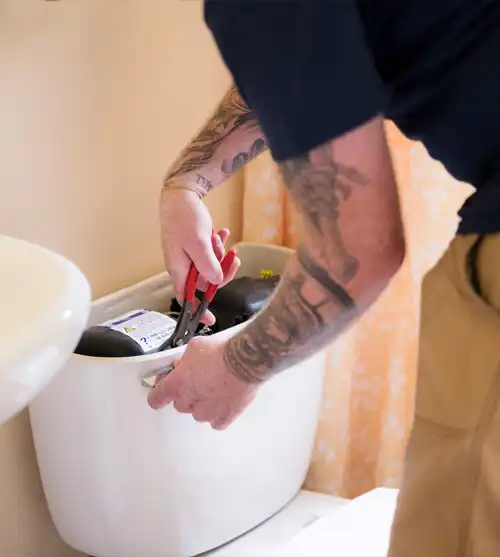
For water leak emergency response, the plumber takes immediate steps to stop water flow. They'll shut off the main water supply or specific valves to prevent additional damage to your property. This quick action protects your floors, walls, and belongings from water damage.
The plumber documents the situation with photos and notes. They'll explain what they found and what needs to happen next. You'll receive an honest assessment of the damage and the required repairs before any work begins. If the issue involves a ceiling leak, they'll also evaluate whether water has reached drywall, insulation, or framing above.
Temporary versus permanent repair solutions
Emergency plumbers often provide temporary fixes to restore basic function quickly. These short-term solutions stop leaks, restore water flow, or prevent immediate hazards. You might get a pipe patch, temporary seal, or bypass connection that works until a full repair can happen.
Permanent repairs require more time, materials, or access to parts that aren't immediately available. The plumber will tell you if your situation needs a temporary fix first. They'll schedule a follow-up visit for complete repairs when needed.
Some emergencies can be fully resolved in one visit. Burst pipe repairs, clogged drains, or broken fixtures might be fixed permanently during the initial service call. Your plumber will explain which solution applies to your specific situation and why.
Equipment used for urgent plumbing issues
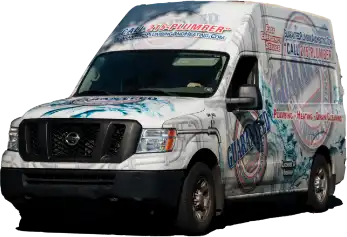
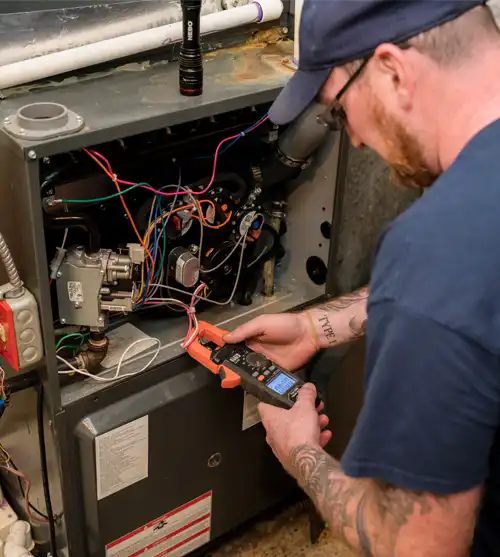
Emergency plumbers arrive with specialized tools for various problems. Their truck carries pipe wrenches, drain snakes, hydro-jetting equipment, and leak detection devices. You'll see them use video inspection cameras to look inside pipes and find hidden issues.
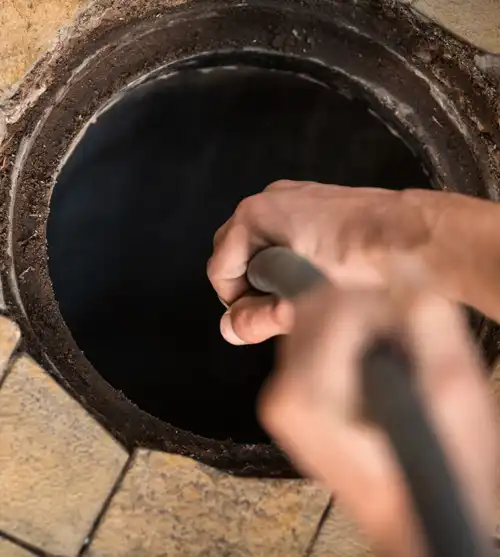
For severe clogs, they might use motorized drain augers or high-pressure water jets. Professional drain cleaning tools like these clear blockages that basic plungers can't handle. Pipe repair requires cutting tools, welding equipment, or compression fittings depending on your pipe material.
Modern leak detection equipment includes moisture meters and thermal imaging cameras. These tools find water damage behind walls or under floors without unnecessary demolition. The plumber's equipment allows them to diagnose and fix problems efficiently.
Cleanup and post-repair safety checks
After repairs, the plumber cleans the work area and removes debris. They'll wipe up water, dispose of damaged materials, and leave your space as tidy as possible. You shouldn't have to clean up after their work.
The plumber tests all repairs before leaving. They'll turn water back on, check for leaks, and verify proper drainage. You'll see them run water through fixtures and inspect connections to confirm everything works correctly.
They perform safety checks on gas lines if your repair involved gas water heaters or appliances. According to the Centers for Disease Control and Prevention, more than 400 Americans die each year from unintentional carbon monoxide poisoning unrelated to fires, often tied to faulty fuel-burning appliances, which makes these post-repair safety checks essential. The plumber explains any maintenance tips or warning signs to watch for. You'll receive documentation of the work completed and any warranties on parts or labor.
Typical costs and payment considerations
Emergency plumbing rates in Philadelphia range from $100 to $375 for a standard service call, though costs climb significantly for after-hours work. Several factors determine your final bill, including timing, job complexity, and your property's unique characteristics.
Factors influencing emergency service pricing
Philadelphia plumbing costs run 15-20% above the national average due to the city's strict licensing requirements and aging infrastructure. Your location within the city affects pricing, as does the type of property you own.
Rowhome construction presents unique challenges that can increase labor costs. These connected properties often have shared walls and limited access to plumbing systems. Older homes with outdated pipes require more careful work and specialized knowledge.
The complexity of your plumbing emergency directly impacts the price. A simple toilet clog costs $60 to $240, while clearing a main sewer line ranges from $90 to $900. Burst pipes, water heater failures, and sewer backups typically fall on the higher end of the pricing spectrum.
After-hours and weekend fees
After hours plumber Philadelphia services cost 1.5 to 2 times the standard daytime rate. A $150 daytime service call can jump to $225 to $300 during evening hours, weekends, or holidays.
Most plumbing companies define after-hours as weeknights after 6 PM, weekends, and major holidays. Some plumbers charge flat emergency fees while others multiply their hourly rates. Standard hourly rates in Philadelphia range from $81 to $378, so emergency rates can reach $150 to $750 per hour depending on the company.
You should ask about specific after-hours pricing before authorizing work. Some situations truly require immediate attention, like active flooding or sewage backups, while minor leaks can often wait until regular business hours.
When insurance may cover emergency repairs
Your homeowners insurance may cover sudden and accidental water damage from plumbing emergencies. Policies typically cover burst pipes, failed water heaters, and overflow damage from clogged drains.
Insurance usually doesn't cover gradual damage from poor maintenance or wear and tear. You're responsible for the plumber's service costs, but insurance may cover resulting property damage like flooded floors or damaged walls. Check your policy's deductible before filing a claim, as small repairs might cost less than your deductible amount.
Document all damage with photos and keep detailed receipts from your plumber. Contact your insurance company within 24-48 hours of the emergency to report the claim.
Conclusion
When you face a plumbing emergency in Philadelphia, you need help fast. Water leaks, burst pipes, and clogged drains can cause serious damage to your home if you wait too long.
Philadelphia has many emergency plumbers who offer 24/7 services. These professionals respond quickly to your calls and arrive prepared to fix your problem. You can find licensed plumbers throughout the city and surrounding areas like Montgomery County and Delaware County.
You should save the contact information for a trusted emergency plumber before you need one. This saves you time when a crisis happens. Look for plumbers with good reviews and proper licensing.
Most emergency plumbing services in Philadelphia can help with common issues like clogged toilets, overflowing drains, water heater problems, and pipe repairs. They bring the right tools and parts to complete repairs during the first visit.
Your home's plumbing system needs immediate attention when problems occur. Emergency plumbers give you peace of mind knowing that help is just a phone call away, no matter what time your plumbing issue starts. To save a trusted name in your phone before the next crisis hits, contact Guaranteed Plumbing, Heating and Air today.